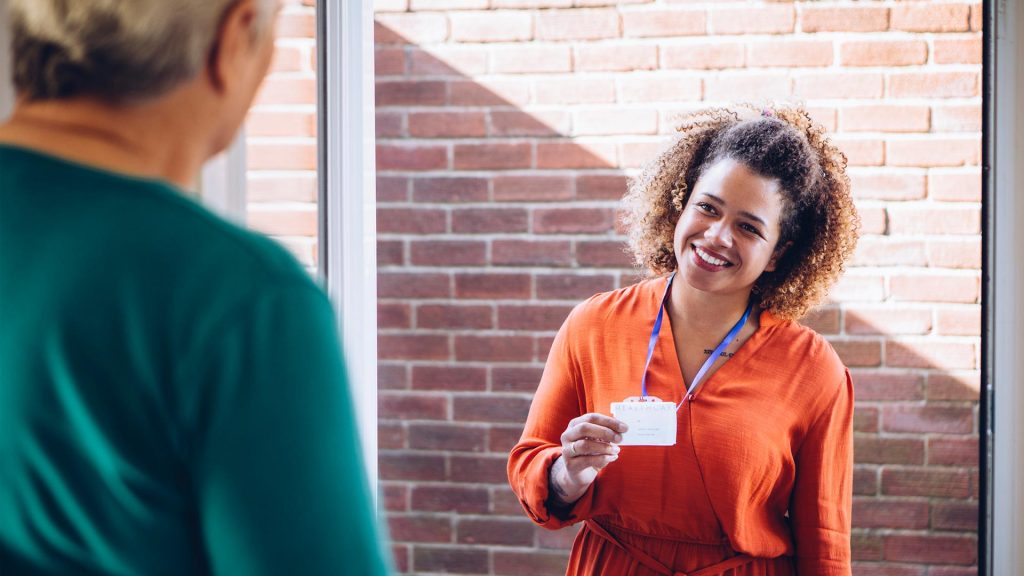

About Autism in Women and Girls.
What is autism? Why is autism not easily recognised in women and girls? What are some of the missed traits? What can be involved within masking? Why is the importance of receiving a diagnosis? What are some of the early signs and symptoms of autism in women and girls? What are some of the key autistic behavioural characteristics? How can bullying affect a women’s and/ or girls later life? How can autism affect puberty? What support strategies are available?
Our Autism in Women and Girls course will help you answer the questions above and more.
Autism was first identified more than 50 years ago and affect 1% of UK children and adults, which equates to approximately 700,000 people in the UK. That’s more than 1 in 100.
Through our Autism in Women and Girls course you will gain an understanding of what Autism is as well as how it is not easily recognised. You will learn some of the different shared experiences women and girls with autism go though. You will learn some of the traits that can be missed. You will learn the different ways women and girls mask their autism. You will learn the importance of receiving a diagnosis. You will also learn some of the early signs and symptoms. You will learn the key autistic behavioural characteristic. You will learn how the diagnosis of autism in women and girls works. You will learn how mental health and autism are related. You will learn how relationships, intimacy and sexuality can be affected. You will learn the different support strategies that are available.
Who is Autism in Women and Girls for?
Our Autism in Women and Girls course is for anyone who would like extra knowledge on autism as well as the difference in autism and men and autism and women. Whatever care or non-care sector you work in our session will provide you the knowledge of how autism affects women and girls different compared to men and boys.
What are the learning outcomes?
- Discuss the differences autism affect men and women.
- Discuss the impact bullying can have on an autistic girl.
- Recognise the early signs and symptoms.
- Be able to assess the challenges adolescent women may face.
- Evaluate the differences that may present during puberty.
- Demonstrate an empathic understanding of the experiences of people living with autism.
- Learn how to use correct strategies and tactics to help an individual that has behavioural issues related to autism.