March 24, 2026 min
59 min
🎧 Listen now on:
Spotify,
Apple Podcasts,
or watch on
YouTube.
When people think about care homes, they often picture medication rounds, meal times and the basics of physical care. But what about purpose, connection, emotional wellbeing and the little moments that make someone feel like themselves again?
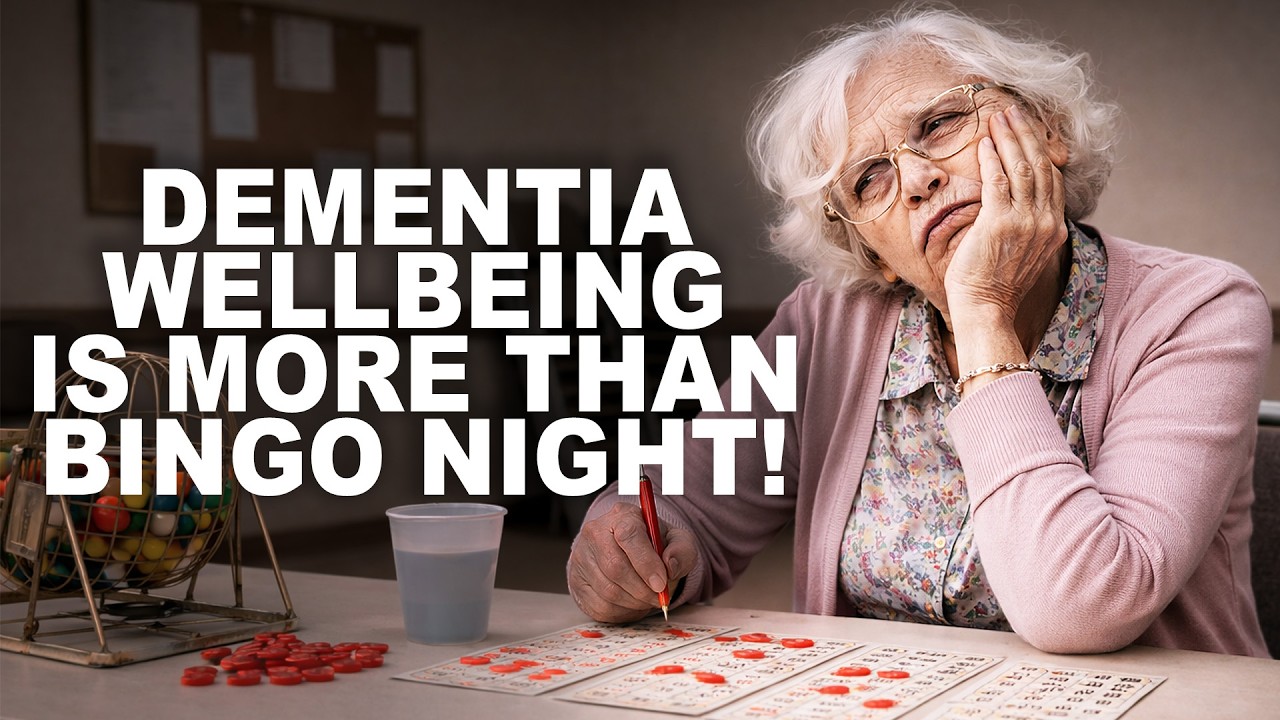
In this episode, Andy Baker is joined by Surraya Sadr to explore why wellbeing in care homes is about far more than bingo, singalongs or filling time. This is a powerful conversation about dementia care, emotional wellbeing, burnout, person-centred support and the often overlooked value of wellbeing coordinators and activity staff.
Surraya shares her experience of working across care homes, supporting wellbeing teams and helping settings better understand the emotional and social needs of people living with dementia and high support needs. Together, she and Andy unpack why meaningful care must include more than just the basics.
One of the strongest messages in this episode is that wellbeing support is not an optional extra. For people living with dementia, emotional safety, meaningful routine, connection, identity and engagement all matter deeply. When these things are missing, distress, withdrawal and frustration often increase.
Surraya explains how skilled wellbeing staff often notice subtle changes before anyone else does. They know residents as people, not just as tasks. They spot when someone is becoming withdrawn, when anxiety is building, or when a small change in routine has had a bigger emotional impact than others realise.
This episode also speaks honestly about staff wellbeing. Many people in helping roles become the one everyone leans on, while quietly neglecting their own mental health. Surraya highlights how burnout can build through emotional overload, lack of support, feeling unheard, or constantly being expected to hold things together for everyone else.
If you work in health and social care, manage a care team, support people living with dementia, or care for a loved one yourself, this part of the conversation will likely hit home. It is a reminder that supporting the supporter is not weakness – it is essential.
This is a thoughtful and grounded discussion about what good care really looks like. It challenges the idea that wellbeing is a luxury and instead makes the case that it is central to quality dementia care, staff morale and a healthier care culture overall.
If you have ever felt that care should be about more than getting through the day, this episode will give language, insight and encouragement to that belief.
Click here to explore Able Training’s free resources for carers, educators and support staff.