March 27, 2026 min
13 min
🎧 Listen now on:
Spotify,
Apple Podcasts,
or watch on
YouTube.
What happens when we stop labelling behaviour and start getting curious about what is really going on underneath it?
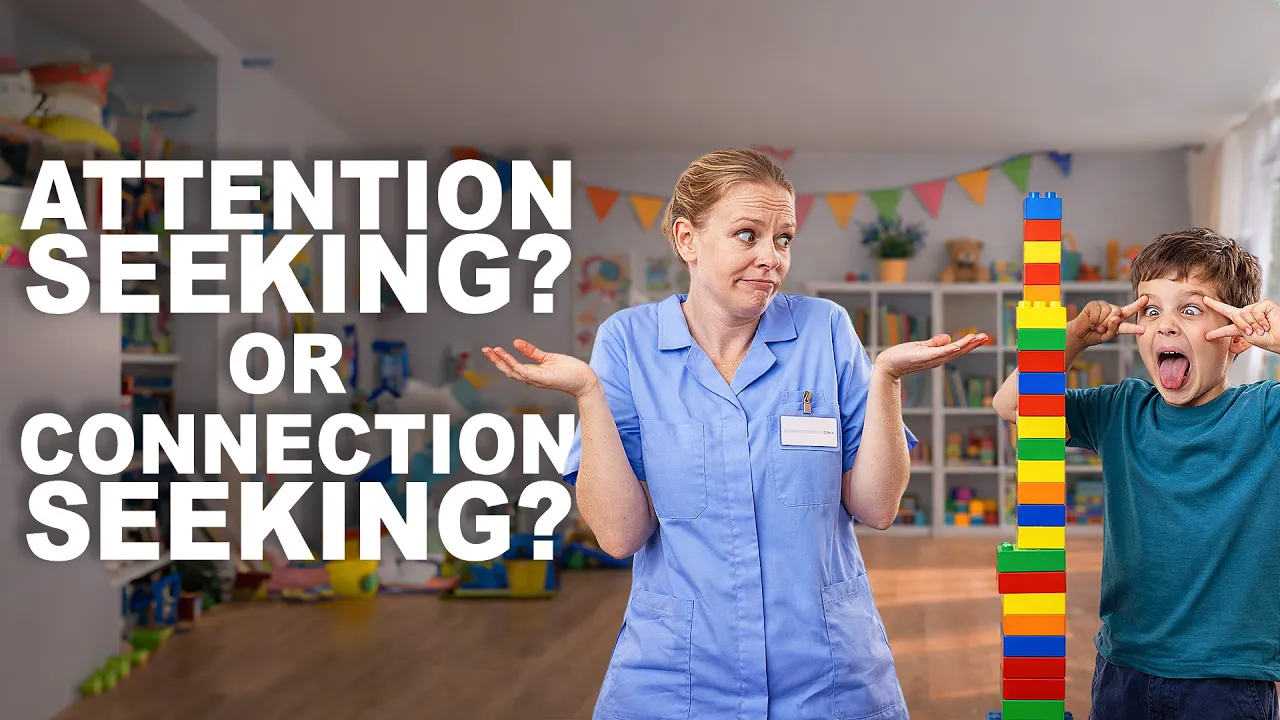
In this episode of the Able to Care Podcast, Andy Baker challenges one of the most common and damaging phrases used in care, education and parenting – attention-seeking. He explores how the frame we use shapes the response we give, and why behaviours that challenge may be less about manipulation and more about unmet needs, stress, attachment and connection.
When someone is labelled as lazy, manipulative, naughty, attention-seeking or difficult, it can shut down curiosity and replace understanding with judgement. Andy unpacks how these labels can feed confirmation bias, damage relationships and lead to responses that escalate rather than help.
This episode is a powerful reminder that behaviour support begins with intellectual humility – the willingness to admit that we may not fully understand what is happening yet.
Andy uses relatable stories and practical examples to show how easily people can misread behaviour. A child making noise, a young person lying, a person becoming clingy, or someone appearing demanding may be communicating something much deeper than the behaviour itself suggests.
Rather than asking, “What is wrong with them?”, this episode encourages a more useful question: Why this, and why now?
Behaviour does not happen in a vacuum. What looks unreasonable from the outside may make perfect sense when seen through the lens of someone’s history, stress, nervous system or need for connection.
If we want better outcomes, we need fewer assumptions and more curiosity. We need to move from labels to understanding, from correction to connection, and from control to collaboration.
If this episode resonates with you, you may also want to explore Andy Baker’s wider work around behaviour support, trauma-informed practice and caregiving approaches through the Able Target System, Targeting the Positive with Behaviours That Challenge, and the upcoming Adaptive Caregiver model.