
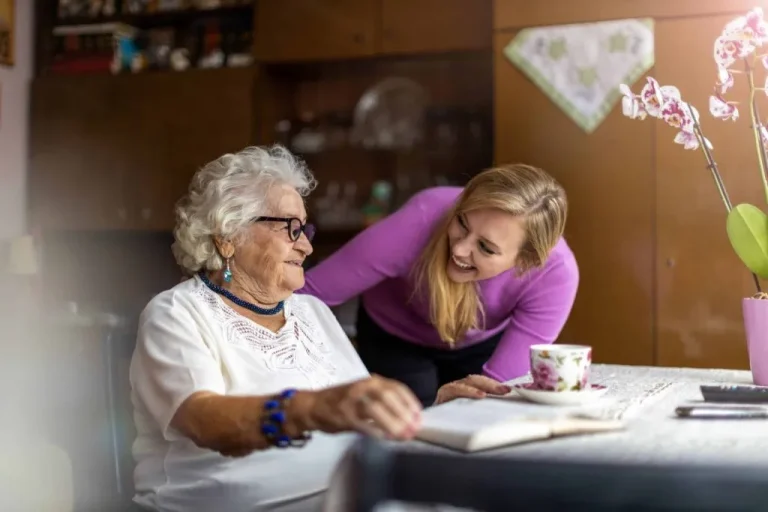
There’s a moment many caregivers recognise — the moment when doing things the way they have always been done stops working. The routines that once helped now cause distress. The gentle redirection that used to work now meets resistance. The person you are caring for seems unreachable, and nothing in your toolkit feels adequate. It is not a failure of effort or love. It is a signal that something in the approach needs to change.
That something, more often than not, is the instinct to direct rather than adapt. And it’s the missing piece in dementia care that too few caregivers, family or professional are given the tools to address.
What Does It Mean to Direct Rather Than Adapt in Dementia Care?
Directing in dementia care looks like trying to correct, redirect, or guide a person back towards a reality they can no longer access. It comes from a good place.. the desire to keep things safe, familiar, and in order. But dementia progressively changes the way a person experiences the world around them, and a care approach that does not change with it will increasingly work against both the caregiver and the person being cared for.
Adapting means something different. It means meeting the person where they aren’t where they used to be or where we think they should be. It means responding to what a behaviour is communicating rather than trying to stop the behaviour itself. And it means accepting that the most effective form of care in dementia is not one that imposes structure on the person, but one that builds around them.
Why Is Adaptive Caregiving So Difficult in Practice?
For professional caregivers, directive approaches are often baked into training, routine, and the practical pressures of a busy care environment. There are tasks to complete, schedules to maintain, and safety considerations that feel non-negotiable. The idea of slowing down and adapting to each individual can feel like a luxury that time simply does not allow.
For family caregivers, the challenges are different but equally real. Caring for someone whose personality and behaviour are changing, sometimes dramatically is emotionally exhausting. The instinct to correct, to remind, or to bring a loved one back to the moment comes from grief as much as habit.
Letting go of that instinct requires not just a new set of skills but a genuine shift in how the caregiving relationship is understood.
Does adapting mean giving up boundaries and safety?
This is one of the most common concerns raised by caregivers when the idea of adaptive care is first introduced and it’s worth addressing directly. Adapting to a person’s reality does not mean abandoning safety or structure. It means finding ways to meet safety and wellbeing needs that work with the person rather than against them.
A person who becomes distressed during personal care does not need more firm direction — they need a different approach to the same task. A person who insists on looking for someone who passed away decades ago does not need to be corrected; they need their feelings acknowledged and their sense of security restored. The outcome in both cases is the same; only the route changes.
What Does a Framework for Adaptive Care Actually Look Like?
Yes, and this is where the conversation moves from philosophy to practice. Adaptive caregiving is not simply an attitude; it is a set of skills and frameworks that can be learned, applied, and refined over time. Understanding how to read behaviour as communication, how to adjust the environment and the interaction to reduce distress, all while maintaining connection and dignity across the changing stages of dementia these are teachable, learnable competencies.
Our book > The Adaptive Caregiver Model: Walking With, Not Ahead by Andy Baker and Meghan Earle (Add amazon link) is built around exactly this principle. Drawing on real-world caregiving experience, the book introduces a clear, practical framework that helps both professional and family caregivers understand behaviour, adapt their approach, and preserve dignity, connection, and wellbeing throughout the progression of dementia.
What does “walking with, not ahead” mean for everyday care?
The phrase captures the essence of the adaptive approach. Walking ahead of someone in dementia care looks like anticipating what they need before checking what they are experiencing, steering them towards your plan rather than following their lead, or measuring success by how smoothly the caregiving tasks are completed.
Walking with someone looks like slowing down to understand what the moment holds for them, responding to what is present rather than what is expected, and measuring success by how the person feels and not just what gets done.
Frequently Asked Questions (FAQs)
Is adaptive caregiving suitable for all stages of dementia?
Yes! The principles of adapting to the person rather than the diagnosis apply across the full progression of dementia, though the specific strategies will evolve as the person’s needs change.
Can family caregivers with no formal training use an adaptive approach?
Absolutely. The adaptive caregiving framework is designed to be accessible to anyone in a caregiving role, professional or family.
What is the most important first step towards adaptive care?
Shifting the question from “how do I get them to do this?” to “what is this behaviour telling me?” That single change in perspective opens the door to everything else.
Final Thoughts
The missing piece in dementia care is not more knowledge about the condition but a different relationship with the person living with it. One that prioritises connection over correction, understanding over direction, and presence over task completion.
If you’re a caregiver – professional or family who has felt the limits of a directive approach and is looking for a better way forward, The Adaptive Caregiver Model: Walking With, Not Ahead by Andy Baker and Meghan Earle (Add amazon link) is a genuinely valuable resource. Compassionate, practical, and grounded in real caregiving experience, it offers the framework that so many caregivers are looking for but rarely find.