March 10, 2026 min
55 min
🎧 Listen now on:
Spotify,
Apple Podcasts,
or watch on
YouTube.
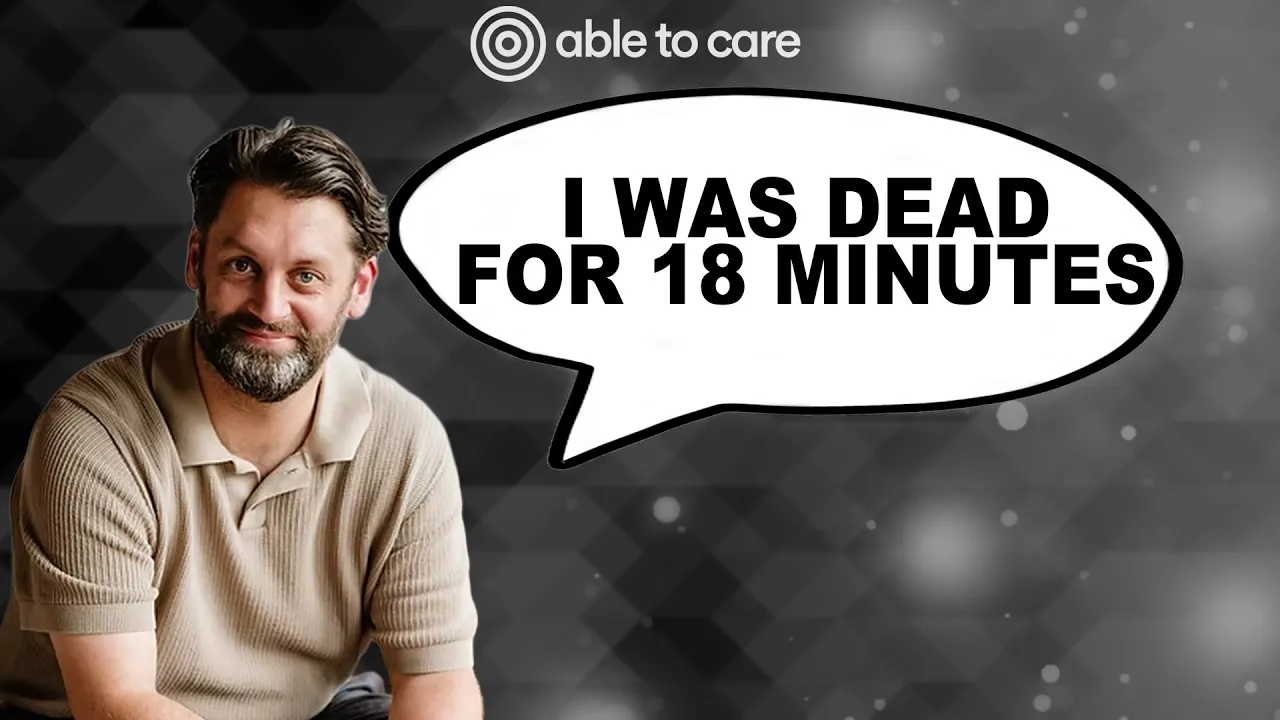
At 3am, Rob Jones collapsed beside his bed. His heart had stopped. He wasn’t breathing. His wife Ruby – just weeks after completing workplace first aid training – became a first responder in her own bedroom.
She performed CPR for 18 minutes before paramedics arrived.
Rob survived.
In this deeply human and honest conversation, Rob (founder of The Idiopath) shares what it’s like to live through cardiac arrest, the unseen mental recovery, and why CPR training is not just a workplace requirement – it’s a life skill.
Rob remembers nothing from that night. But what followed included:
Most cardiac arrests in the UK happen at home – not in hospitals. That means the person standing closest is often a partner, parent, carer, teacher or child.
One of the biggest barriers to learning CPR is fear:
Rob’s perspective is powerful and simple:
If someone needs CPR, their heart has already stopped. Doing nothing will not help them.
We explore hands-only CPR, why rescue breaths are sometimes optional, and how confidence grows through practice – even if you hope you never need the skill.
Surviving cardiac arrest is not just a physical recovery. Rob speaks openly about:
Through The Idiopath, Rob now teaches resilience using five practical pillars – including showing up, adapting, protecting your energy and building positive habits.
This episode connects survival with something bigger: purpose.
For those working in caregiving, fostering, schools or community settings, this conversation hits home.
Cardiac arrest doesn’t wait for an ambulance. It doesn’t wait for a trained professional. It happens in living rooms, classrooms, sports halls and workplaces.
Teaching CPR to children and young people normalises it as a life skill – like riding a bike. Not something scary. Not something taboo. Just something we know how to do.
If you’ve ever thought:
This is your nudge.
Learning CPR is not about expecting the worst. It’s about loving the people in your life enough to be prepared.
First Aid Training – Click below to Find Out More