March 31, 2026 min
60 min
🎧 Listen now on:
Spotify,
Apple Podcasts,
or watch on
YouTube.
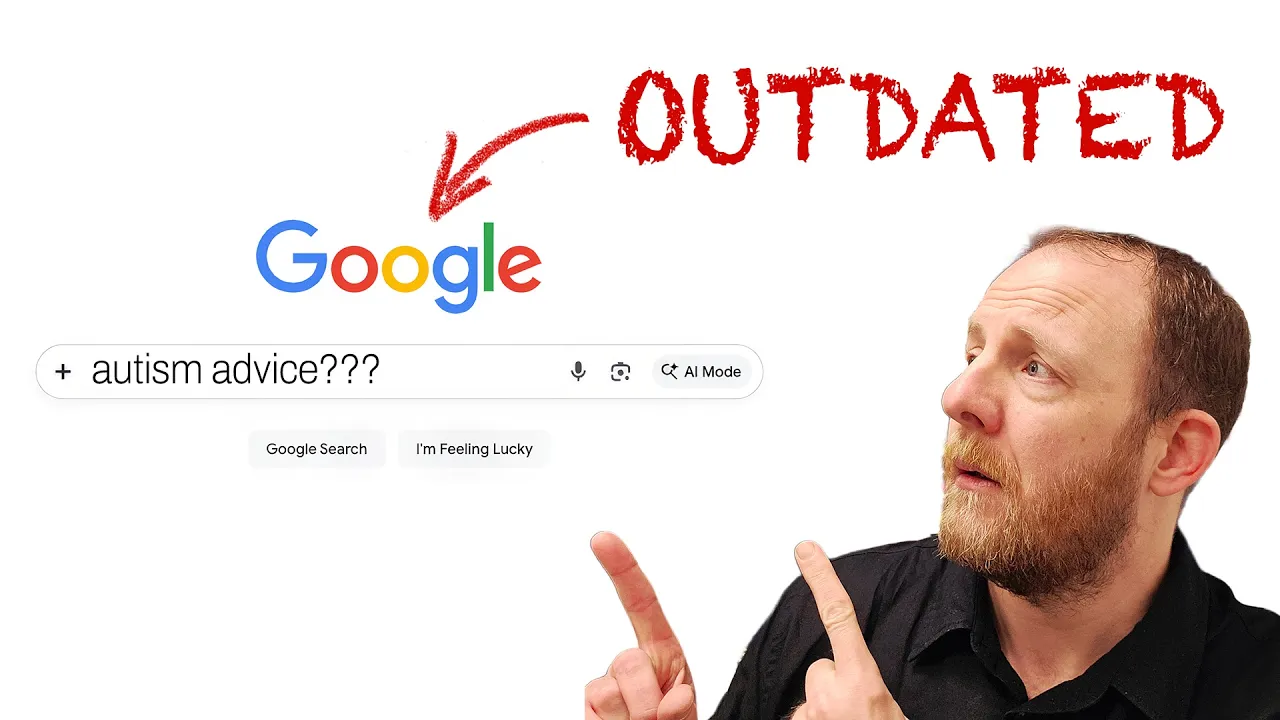
In this thought-provoking episode of the Able to Care Podcast, Andy Baker is joined by Dr Theresa Lyons, PhD, to explore autism beyond behaviour and diagnosis. Together, they unpack the gap between mainstream understanding and emerging science – and what that means for families, caregivers and professionals.
This conversation challenges common assumptions and offers a more nuanced, hopeful and practical approach to supporting children and adults with autism.
Autism is often defined purely through behaviour – communication differences, repetitive patterns and sensory challenges. But what if those behaviours are only the surface?
Dr Lyons explains how autism diagnosis is based on observation rather than biology, and why this can limit understanding. She introduces a perspective that considers underlying health, environment and neurological factors that may influence behaviour, communication and wellbeing.
For many parents and caregivers, receiving an autism diagnosis can feel like the end of the road – with little guidance on what to do next. This episode reframes that experience.
Rather than offering quick fixes, Andy and Theresa explore how to move from fear and confusion to curiosity and informed decision-making. They emphasise the importance of understanding patterns, asking better questions and avoiding one-size-fits-all approaches.
This episode offers a grounded but hopeful message: you don’t have to have all the answers straight away. It’s okay to pause, to question, and to explore what might be right for your child or the person you support.
Most importantly, Andy and Theresa remind us that behaviour does not define the person. On their best days, you see who they truly are – and the goal is to support more of those days.
Autism is complex, and there is no single pathway. But with curiosity, compassion and access to the right information, it is possible to better understand behaviour, support wellbeing and help individuals thrive in their own way.