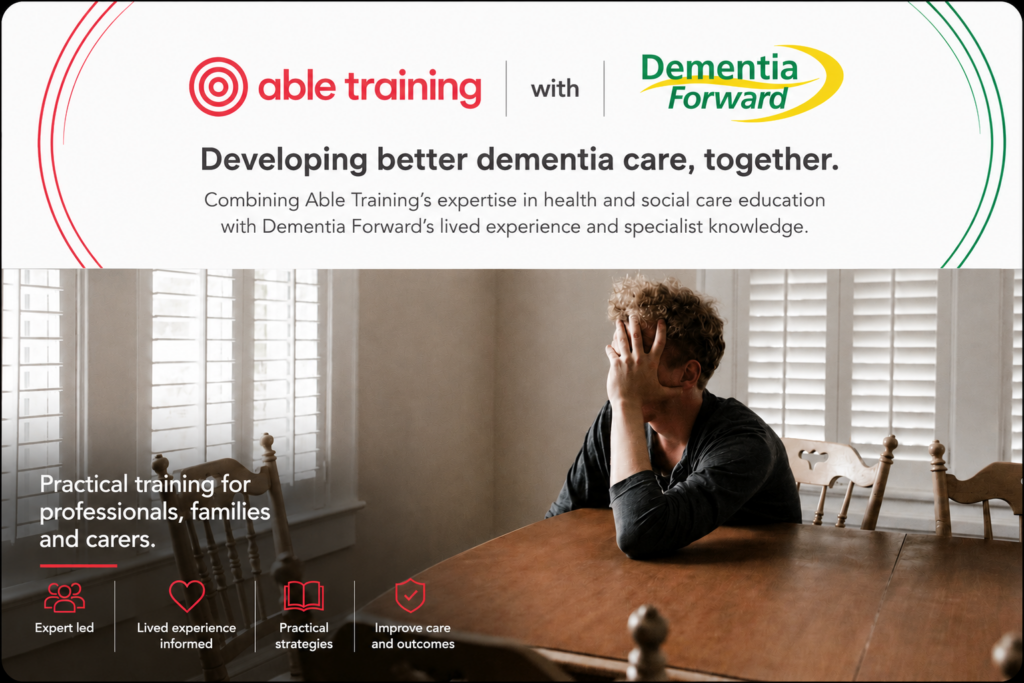

Understanding Depression Anxiety, adolescent looking depressed, holding head in hands.

Understanding Depression and Anxiety Disorders

Our Understanding Depression and Anxiety Disorders course enables attendees to gain knowledge regarding anxiety and depression as well as how it can impact on an individual and those around them.

"*" indicates required fields

This field is for validation purposes and should be left unchanged.

Trusted by over 1000 businesses throughout the UK

Learn the signs and symptoms of different emotional disorders as well as the various treatment strategies within the biopsychosocial framework.

What is stress? What is anxiety? What is depression? What are some examples of mood disorders? What is a major depressive episode? What is Seasonal affective disorder (SAD)? What is bipolar disorder? What is comorbidity? What is a phobia? What is agoraphobia? What is obsessive compulsive disorder (OCD)? What is PTSD? What can cause an emotional disorder in adults? What is the biopsychosocial model? What types of treatment and medication is available? What is CBT? What are some examples of cognitive distortions?

Our Understanding Depression and Anxiety Disorders course will help you to answer the questions above and more.

In any given week, 1 in 6 adults in the UK experiences a common mental health problem, such as depression or anxiety. Women are more likely (19%) than men (14%) to report experiencing some form of depression in Great Britain.

Through our Understanding Depression and Anxiety Disorders course, you will gain an understanding of how to promote positive thoughts. You will learn different types of cognitive distortions. You will learn the signs and symptoms of different emotional disorders. You will learn what OCD, PTSD, Bipolar disorder and agoraphobia is. Your will learn how to positively communicate with an adult who has an emotional disorder.

What you'll learn.

  • What are the differences between Depression and Anxiety.
  • Understand how depression and anxiety can impact a person.
  • Be aware of different medications and treatments available.
  • Recognise the signs and symptoms of emotional disorders.
  • Gain knowledge of different emotional disorders and the causes of mental health disorders.

Who is Understanding Depression and Anxiety Disorders for?

Our Understanding Depression and Anxiety Disorders in Adults course is for anyone who supports, looks after, cares or work with adults daily. Having this knowledge will help you to understand how that individual is being affected by the emotional disorder and how it impacts their daily life.

What are the learning outcomes?

By the end of the course, you will be able to…

  • State the difference between Depression and Anxiety.
  • Recognise treatments and medications available.
  • Recognise the signs and symptoms of different emotional disorders.
  • Be able to identify different causes of mental health problems.
  • Demonstrate how to communicate with an individual who is expressing their thoughts and feelings.
  • Develop knowledge, skills, and strategies that help you understand what an individual might be experiencing and how it is impacting on their life.

Get a quote

"*" indicates required fields

This field is for validation purposes and should be left unchanged.
{{ reviewsTotal }}{{ options.labels.singularReviewCountLabel }}
{{ reviewsTotal }}{{ options.labels.pluralReviewCountLabel }}
{{ options.labels.newReviewButton }}
{{ userData.canReview.message }}

Frequently Asked Questions

What are depression and anxiety disorders?
Depression and anxiety disorders are mental health conditions that can significantly impact a person’s emotional and physical well-being. Depression, also known as major depressive disorder (MDD), is a mood disorder characterised by persistent feelings of sadness, hopelessness, and a lack of interest or pleasure in once enjoyable activities. Anxiety Disorders are a group of mental health conditions characterised by excessive worry, fear, or anxiety that can interfere with daily functioning. Common types include generalised anxiety disorder (GAD), panic disorder, social anxiety disorder, and specific phobias.
To support someone with depression or anxiety: 1. Listen and Validate: Offer a non-judgmental ear and acknowledge their feelings. 2. Encourage Professional Help: Suggest seeking help from a mental health professional. 3. Be Patient: Understand that recovery takes time and avoid rushing them. 4. Provide Practical Help: Assist with daily tasks and responsibilities if needed. 5. Promote Healthy Habits: Encourage activities like exercise and healthy eating. 6. Avoid Minimising: Don’t belittle their experiences or offer unsolicited advice. 7. Stay Informed: Learn about the conditions to better understand and empathise.
1. Effective Treatment: Helps in selecting the right treatments and interventions. 2. Quality of Life: Improves symptom management and daily functioning. 3. Reduced Stigma: Decreases stigma and promotes seeking help. 4. Support Systems: Enables better support from friends, family, and workplaces. 5. Prevention: Facilitates early intervention and effective coping strategies. 6. Healthcare Outcomes: Promotes holistic care and integration of services. 7. Personal Empowerment: Encourages self-advocacy and better self-management.

Related Courses

Receive a bespoke quote.

Give your team the training they need.

"*" indicates required fields

This field is for validation purposes and should be left unchanged.
Please enter a number greater than or equal to 1.
Consent to personal data processing
Receive marketing information and promotions
  • Tailored Learning: Our programs are adaptable to meet every learner’s needs.
  • Quality Assurance: Proudly accredited by UKAS ISO 9001, BILD, ICM, Qualsafe Awards, and Ability Training Awards.
  • Lasting Partnerships: Our commitment extends beyond the classroom as we aspire to forge lasting partnerships

Talk to the team

Get instant answers to all your questions

Drop us an email [email protected]

8:30am–4:30pm — Monday to Friday

(except bank holidays)
Contact Us, man using phone and laptop sat on sofa