
epilepsy awareness

Epilepsy Awareness Training

Our Epilepsy Awareness demonstrates to attendees what epilepsy is and how it is diagnosed. It will give attendees knowledge to be able to identify the different types of seizures and support those after some seizure activity.

"*" indicates required fields

This field is for validation purposes and should be left unchanged.

Trusted by over 1000 businesses throughout the UK

Learn how to notice symptoms of epilepsy and what epilepsy is.

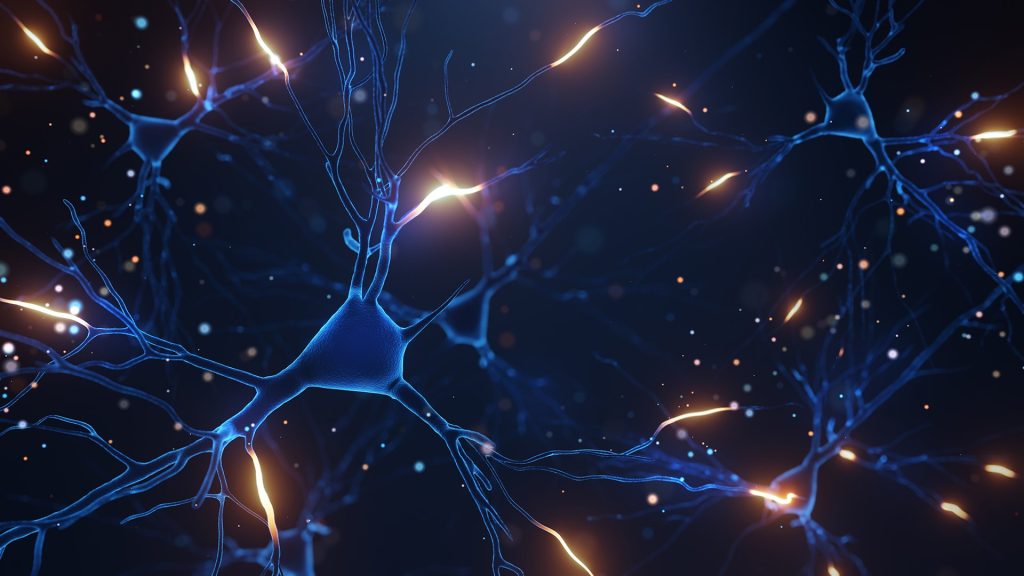
Epilepsy and epileptic seizures are caused by neurons in the brain firing off electrical impulses abnormally, causing the brain and body to behave strangely.

What is Epilepsy? How do you diagnose someone with epilepsy? What are the different types of seizures that occur? How do I support someone that is having a seizure? How do I support someone after they have had a seizure? What medication exists for those experiencing seizures? What information should I record if someone is having a seizure?

Our Epilepsy Awareness course will help you to answer these questions and so much more.

Through our Epilepsy awareness course, you will gain an understanding of what epilepsy is and the basics surrounding the diagnosis of epilepsy. You will develop an understanding of the differences between different kinds of seizures. You will identify strategies that will allow you to assist someone through a seizure and support them afterwards. You will learn information around how to use epilepsy medication and how to record incidents of seizures occurring.

What you'll learn.

  • What epilepsy is and how it is diagnosed.
  • Identifying some of the different types of seizures.
  • Knowing how to support an individual during and after seizure activity.
  • Being confident in administering rescue medication.
  • Understanding which documentation is used to record seizures and the information required.

Who is Epilepsy Awareness Training for?

Our Epilepsy Awareness course is for anyone who works with, or is around someone frequently, that experiences epilepsy. Whatever sector you work in having the awareness and understanding of the different impacts of epilepsy and techniques used to support those with epilepsy; this course is for you.

What are the learning outcomes?

By the end of the course, you will be able to:

  • Discuss what epilepsy is and how it is diagnosed.
  • Identify some of the different types of seizures.
  • Know how to support an individual during and after seizure activity.
  • Be confident in administering rescue medication.
  • Discuss which documentation is used to record seizures and the information required.

Get a quote

"*" indicates required fields

This field is for validation purposes and should be left unchanged.
{{ reviewsTotal }}{{ options.labels.singularReviewCountLabel }}
{{ reviewsTotal }}{{ options.labels.pluralReviewCountLabel }}
{{ options.labels.newReviewButton }}
{{ userData.canReview.message }}

Frequently Asked Questions

What is the definition of epilepsy?
Epilepsy is a neurological disorder characterised by recurrent seizures, which are caused by abnormal bursts of electrical activity in the brain. These seizures can manifest in various ways, ranging from brief moments of staring or loss of awareness to full-blown convulsions and unconsciousness. Epilepsy can affect people of any age and has a wide range of potential causes, including genetics, brain injury, infections and developmental disorders.
To raise awareness about epilepsy, educate yourself and others by learning about epilepsy and seizure first aid and sharing accurate information to dispel myths. Participate in awareness events such as National Epilepsy Awareness Month and International Epilepsy Day by organising or attending events, wearing purple and using social media. Support epilepsy organisations through volunteering, fundraising, or donations, and advocate for policies that support people with epilepsy.
During an epileptic seizure, it’s crucial to maintain calm and safety. Clear the area of hazards, cushion the head, and do not restrain the person. If lying down, gently turn them to one side to aid breathing. Note the seizure’s duration and seek emergency help if it exceeds 5 minutes, recurs immediately, or causes injury or breathing difficulties. Stay until they recover fully, offering support and following any medical ID instructions.

Related Courses

Receive a bespoke quote.

Give your team the training they need.

"*" indicates required fields

This field is for validation purposes and should be left unchanged.
Please enter a number greater than or equal to 1.
Consent to personal data processing
Receive marketing information and promotions
  • Tailored Learning: Our programs are adaptable to meet every learner’s needs.
  • Quality Assurance: Proudly accredited by UKAS ISO 9001, BILD, ICM, Qualsafe Awards, and Ability Training Awards.
  • Lasting Partnerships: Our commitment extends beyond the classroom as we aspire to forge lasting partnerships

Talk to the team

Get instant answers to all your questions

Drop us an email [email protected]

8:30am–4:30pm — Monday to Friday

(except bank holidays)
Contact Us, man using phone and laptop sat on sofa