
gejala diabetes

Diabetes Awareness Training

Our Diabetes Training enables attendees to understand what diabetes, recognise different types and to understand treatment options.

"*" indicates required fields

This field is for validation purposes and should be left unchanged.

Trusted by over 1000 businesses throughout the UK

Learn how to recognise diabetes and dangers associated with it.

What is diabetes? What are the different types of diabetes? How diabetes affects daily life? How does diabetes affect the body? Is diabetes curable? What are the risks of diabetes?

Our Diabetes Awareness course will help you answer the questions above and more.

One million people have undiagnosed type 2 diabetes, 40,000 children have diabetes, and more than 3,000 children are diagnosed every year.

Through our Diabetes Awareness course, you will be able to identify the signs and symptoms of Diabetes. Be able to recognise the different types of Diabetes and have a broader knowledge of the treatment options available for Diabetes. You will have an awareness of the dangers associated with Diabetes and the potential outcomes of poor management. You will learn the importance of accurate record keeping for people living with diabetes and feel confident in supporting someone during a Hypoglycaemia or Hyperglycaemia attack. You will learn the importance of maintaining a healthy lifestyle including diet and exercise.

What you'll learn.

  • A broad look at the condition Diabetes and it’s causes.
  • Helping attendees to understand the complexities of Diabetes.
  • Be aware of the dangers associated to health when living with Diabetes.
  • Recognise some of the signs and symptoms of the different types of Diabetes and the treatment options available.
  • Gain knowledge of the Complications that may occur for some people living with Diabetes.

Who is Diabetes Awareness Training for?

Our Diabetes Awareness is for people working in the care sector who may be supporting people with Diabetes. People who may be Diabetic and who want to gain more knowledge of the condition or anyone with a general interest in health.

What are the learning outcomes?

By the end of the course, you will be able to….

    • Explain what diabetes is and what the types are.
    • Discuss what hypoglycaemia and hyperglycaemia is.
    • Recognise the risks and conditions related to diabetes.
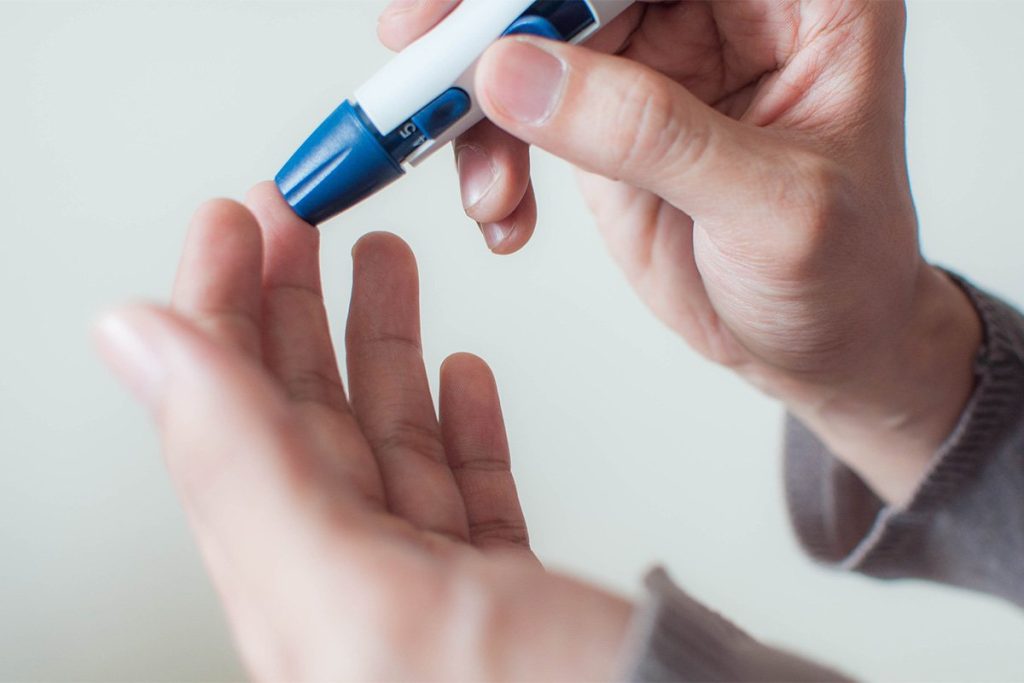
    • Be able to state the different forms of treatment and monitoring systems used in treatment against diabetes.
    • Identify the benefits of having a healthy diet relating to diabetes.
    • Discuss how to support an individual having a hypoglycaemia or hyperglycaemia attack.

Get a quote

"*" indicates required fields

This field is for validation purposes and should be left unchanged.
{{ reviewsTotal }}{{ options.labels.singularReviewCountLabel }}
{{ reviewsTotal }}{{ options.labels.pluralReviewCountLabel }}
{{ options.labels.newReviewButton }}
{{ userData.canReview.message }}

Frequently Asked Questions

What is diabetic awareness?
Diabetes awareness refers to efforts aimed at increasing understanding, knowledge, and awareness of diabetes, its risk factors, prevention strategies, management, and impact on individuals, families, and communities. The goal of diabetes awareness initiatives is to promote early detection, encourage healthy lifestyle choices, reduce stigma and misconceptions, and improve access to care and support for individuals living with diabetes.
To educate a diabetic patient effectively, start with a thorough assessment of their knowledge and needs. Tailor education to their specific learning style and language. Cover key areas including diabetes basics, blood sugar monitoring, healthy eating, physical activity, medications, stress management and potential complications. Use clear language, encourage questions and utilise visual aids. Involve family members and caregivers, set achievable goals, offer positive reinforcement and provide resources like support groups or educational tools to support their diabetes management journey.
Diabetics should avoid sugar-sweetened beverages like sodas and sweetened juices due to their high sugar content. Alcohol, which can disrupt blood sugar control, should be consumed sparingly if at all. Additionally, beverages high in carbohydrates but not necessarily sweetened, such as some smoothies and flavoured coffees, should be moderated due to their potential to affect blood glucose levels. Seeking guidance from a healthcare provider is advisable for personalised dietary recommendations.

Related Courses

Receive a bespoke quote.

Give your team the training they need.

"*" indicates required fields

This field is for validation purposes and should be left unchanged.
Please enter a number greater than or equal to 1.
Consent to personal data processing
Receive marketing information and promotions
  • Tailored Learning: Our programs are adaptable to meet every learner’s needs.
  • Quality Assurance: Proudly accredited by UKAS ISO 9001, BILD, ICM, Qualsafe Awards, and Ability Training Awards.
  • Lasting Partnerships: Our commitment extends beyond the classroom as we aspire to forge lasting partnerships

Talk to the team

Get instant answers to all your questions

Drop us an email [email protected]

8:30am–4:30pm — Monday to Friday

(except bank holidays)
Contact Us, man using phone and laptop sat on sofa