
fire awareness

Fire Awareness Training

Our Fire safety course enables attendees to gain an insight into what to do upon discovery of a fire, how to raise the alarm and know what to do if the alarm is raised.

"*" indicates required fields

This field is for validation purposes and should be left unchanged.

Trusted by over 1000 businesses throughout the UK

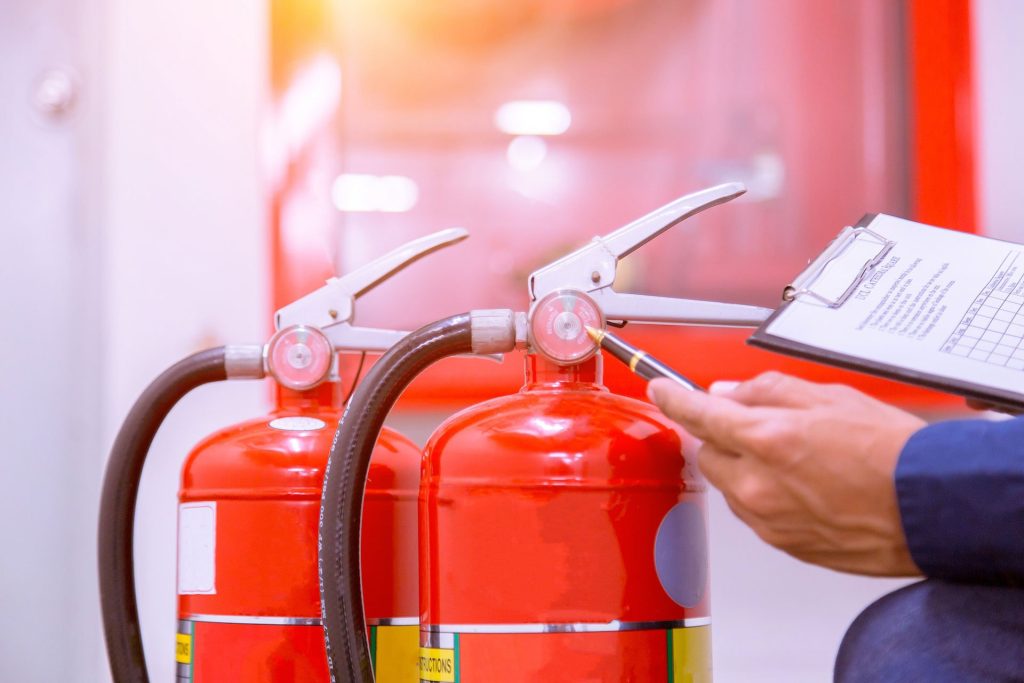
Learn the importance of specific signage, risk assessments and how they are carried out and which fire extinguisher to use in specific situations.

Tackling fires should be performed by competent personnel. Firefighters are trained to deal with tackling fires, this course allows others to understand how to prevent fires and know techniques to limit their spread.  

What do I do if I discover a fire? How should I react when the fire alarm sounds? What can I do to lower the risk of fires? What protocols and policies should be in place with regards to fire safety? Which fire extinguisher do I use in specific situations? What is the benefit of having fire doors? What are the six classes of fires?

Our Fire Safety course will help you to answer these questions and so much more.

What you'll learn.

  • What to do if you discover a fire.
  • Know what to do if the fire alarm sounds.
  • Know how to prevent fire and limit fire spread.
  • Know what fire extinguisher to use on which type of fire and how to use one safely.
  • Recognise fire safety signs and their meaning.
  • Carry out a fire risk assessment.
  • Recognise the value of fire doors and fire corridors.
  • Identify the 6 classes of fires.

Who is Fire Awareness Training for?

Our fire safety course is for all employees of any sized company. Everyone can play a part in fire prevention, and all should know how to react in the case of a fire alarm sounding. All should have an awareness of how fires start and signage that is located to aid those in terms of escape should a situation involving fire arise.

What are the learning outcomes?

By the end of the course, you will:

  • Know what to do if you discover a fire.
  • Know how to react if a fire alarm sounds.
  • Know how to prevent fire and limit fire spread.
  • Know which fire extinguisher to use on which type of fire and how to use one safely.
  • Recognise fire safety signs and their meaning.
  • Be able to carry out a fire risk assessment.
  • Recognise the value of fire doors and fire corridors.
  • Identify the 6 classes of fires.

Get a quote

"*" indicates required fields

This field is for validation purposes and should be left unchanged.
{{ reviewsTotal }}{{ options.labels.singularReviewCountLabel }}
{{ reviewsTotal }}{{ options.labels.pluralReviewCountLabel }}
{{ options.labels.newReviewButton }}
{{ userData.canReview.message }}

Frequently Asked Questions

What is the basic fire awareness?
Basic fire awareness involves understanding fire safety fundamentals, prevention, and response. Key components include: Knowing the fire triangle: heat, fuel, and oxygen. Identifying and mitigating fire hazards such as overloaded sockets and flammable materials. Familiarity with emergency procedures, fire alarms, extinguishers, and evacuation routes. Fire extinguisher training using the PASS method (Pull, Aim, Squeeze, Sweep). Participating in evacuation drills. Effective communication during fire incidents.
Fire safety is crucial for protecting lives, preventing injuries and ensuring prompt evacuation during fires. It safeguards properties from extensive damage and financial loss while preserving valuable assets. Effective fire safety also mitigates environmental harm, maintains business continuity and ensures compliance with legal regulations. By promoting a safe environment, fire safety measures enhance overall community resilience and reduce the societal impact of fires.
The “4 P’s of fire safety” mnemonic encompasses Prevention (avoiding fires), Protection (ensuring safety measures), Preparedness (readiness for emergencies), and Proactive Response (addressing fire hazards promptly). These principles involve preventing fires through safe practices, protecting with equipment like alarms and extinguishers, preparing through drills and plans and responding proactively to risks.

Related Courses

Receive a bespoke quote.

Give your team the training they need.

"*" indicates required fields

This field is for validation purposes and should be left unchanged.
Please enter a number greater than or equal to 1.
Consent to personal data processing
Receive marketing information and promotions
  • Tailored Learning: Our programs are adaptable to meet every learner’s needs.
  • Quality Assurance: Proudly accredited by UKAS ISO 9001, BILD, ICM, Qualsafe Awards, and Ability Training Awards.
  • Lasting Partnerships: Our commitment extends beyond the classroom as we aspire to forge lasting partnerships

Talk to the team

Get instant answers to all your questions

Drop us an email [email protected]

8:30am–4:30pm — Monday to Friday

(except bank holidays)
Contact Us, man using phone and laptop sat on sofa