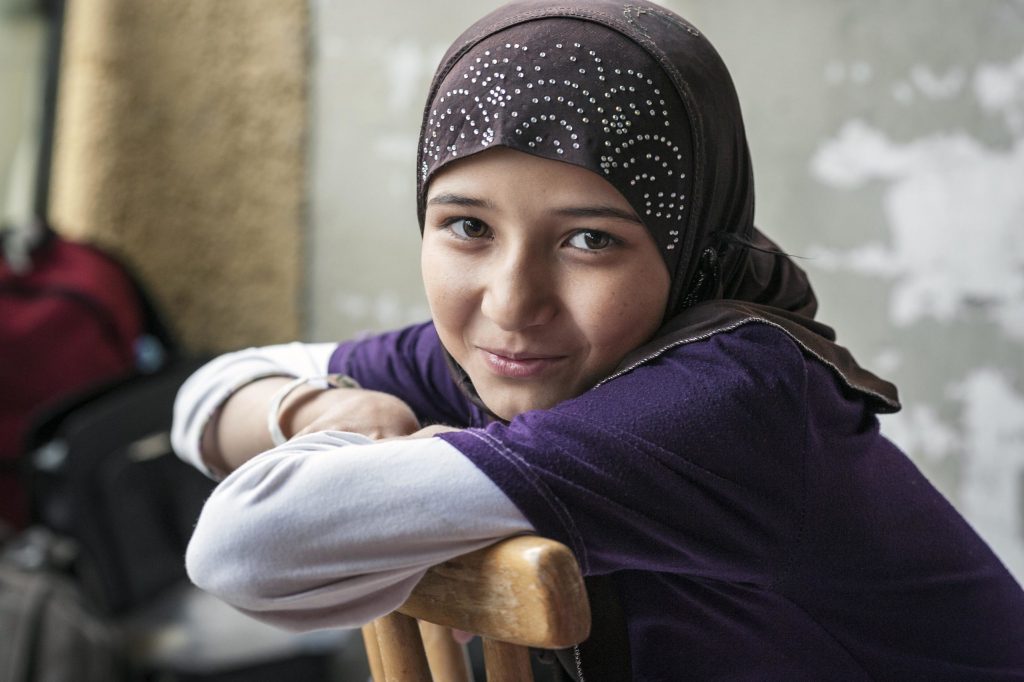

Learn how to support Unaccompanied Asylum-Seeking Children as a Foster Carer.
What is the legal definition of an asylum seeker? What are the reasons why children become unaccompanied asylum seekers and/or refugees? What is UASC Leave? What is the impact of the asylum-seeking process on children? What are the roles of foster cares in the care and protection of unaccompanied children? Who is legally responsible? What countries are involved? What situations unaccompanied children may have experienced in their home countries? What is the impact on emotional health? What is the age assessment process?
Our Fostering Unaccompanied Asylum-Seeking Children course will help you answer the questions above and more.
The number in England is lower than when the Home Office introduced the NTS in 2016, with 4,070 children in the care of local authorities as of March 2021, compared to 4,340 five years earlier.
Through our Fostering Unaccompanied Asylum-Seeking Children course, you will gain an understanding of who is legally responsible for asylum-seeking children. You will learn what countries are involved. You will learn the different situations unaccompanied children may have experienced in their home countries. You will learn what modes of transport asylum-seekers or refugees use. You will learn the impact on emotional health. You will learn what the Age Assessment process is. You will also learn the roles of foster carers.
What you'll learn.
- What reasons children become unaccompanied asylum seekers and refugees.
- Recognise the impact of asylum-seeking process on children.
- Understand who is legally responsible.
- Understand which countries are involved.
- Recognise what situations unaccompanied children may have experienced in their home countries.
- Understand the journey children go through to have safety.
- Understand the impact on emotional health.
- Gain knowledge of the ongoing needs of these children.
- Explore the roles of foster carers.
Who is Fostering Unaccompanied Asylum Seeking Children for?
Our Fostering Unaccompanied Asylum-Seeking Children is for any foster carer or staff member that works at a foster care organisation. Our Fostering Unaccompanied Asylum-Seeking Children course will give you knowledge, skills, and confidence in how to aid a children’s emotional health and what roles foster carers have.
What are the learning outcomes?
By the end of this course, you will be able to….
- State the reasons to why children become unaccompanied asylum seekers and refugees.
- Analyse the impact the asylum-seeking process has on children.
- Recognise who is legally responsible.
- Be able to list the countries that are involved.
- Evaluate situations unaccompanied children may be experienced in their home countries.
- Demonstrate how to aid a child that is an unaccompanied asylum seeker or refugee.
- Explain what kinds of journeys children go through to reach safety.
- Evaluate the impact being an unaccompanied asylum seeker or refugee has on their emotional health.
- Develop knowledge, skills and, strategies to develop positive environments and support unaccompanied asylum seekers and refugees.
- Download course brochure