
infection control 1

Infection Control Training

Our Infection Control course enables attendees to understand the causes and spread of infection as well as what the chain of infection is and how to break it.

"*" indicates required fields

This field is for validation purposes and should be left unchanged.

Trusted by over 1000 businesses throughout the UK

Learn the different types of Micro-organisms as well as what Microbial Reservoirs are.

What infectious diseases does the Health Protection Agency need to be notified? What legislation is involved with infection control? What is an infection? What are the different types of micro-organisms? What is the chain of infection? What are microbial reservoirs? What is food hygiene and what strategies should be in place? What is waste management and why is it important? What is hand hygiene and how do you perform hand hygiene? What are the points of exit and entry?

Our Infection Control course will help you answer the questions above the more.

In 2019, it was estimated that there are 106,890 people living with HIV in the UK. 94% of these people are diagnosed and therefore know that they have HIV.

Through our Infection Control course, you will gain an understanding of the relevant legislation involved within Infection Control in the workplace. You will learn the causes and spread of infection. You will learn what the chain of infection and how to break it. You will learn the value of universal precautions. You will learn what to do if you have a sharps injury. You will learn how to demonstrate effective hand washing techniques. You will also learn about a variety of viral, bacterial, fungal and parasite infections.

What you'll learn.

o What the different types of micro-organisms are.
o Recognise what the Chain of Infection is.
o Recognise the different colour codes as well as what colours are used for which reason.
o Understand what to do if there is a blood and body substance spills.
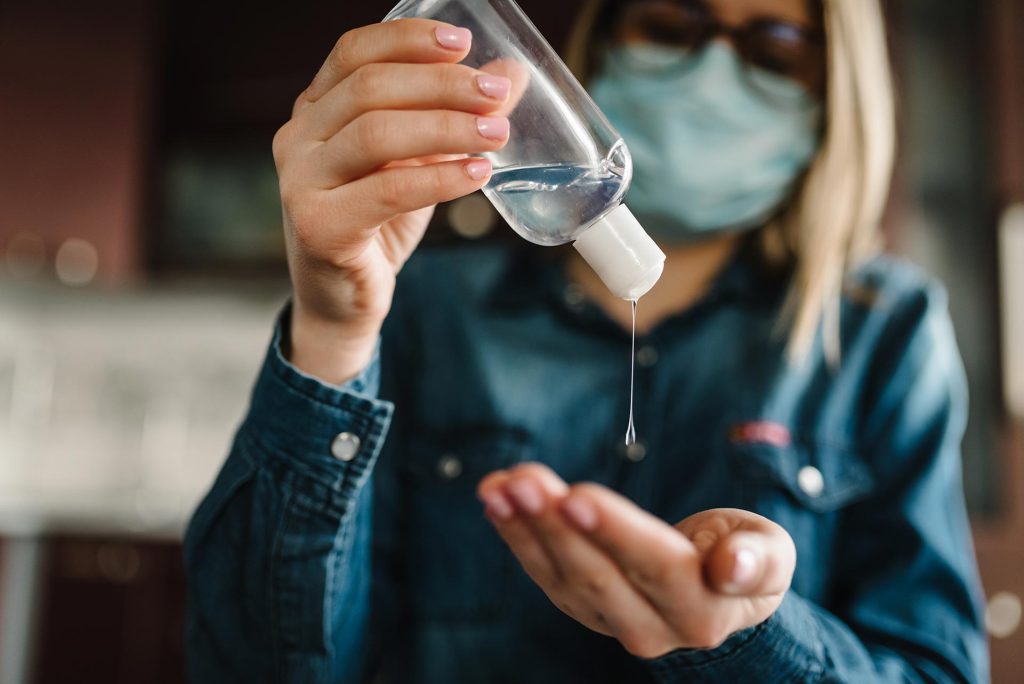
o Demonstrate how to correctly perform hand hygiene.
o Develop an understanding of why the use of aprons and glove is very important.
o Explore factors that can affect susceptibility.

Who is Infection Control Training for?

Our Infection Control course is for everyone, whatever care or non-care sector you work in having the knowledge of how to control infection as well as the correct use of hand hygiene and waste management. Our course will provide you with the knowledge, skill, and confidence.

What are the learning outcomes?

o Discuss the value of universal precautions.
o List the different relevant legislation involved with infection control.
o Recognise the different micro-organisms e.g., Viral, Bacterial, Fungal and Parasite infections.
o Be able to know what to do if you get a sharps injury.
o Evaluate the infectious diseases that should be notified to the Health Protection Agency which are called Notification of Infectious diseases.
o Develop knowledge, skills and strategies to develop positive environments for people within a workplace.

Get a quote

"*" indicates required fields

This field is for validation purposes and should be left unchanged.
{{ reviewsTotal }}{{ options.labels.singularReviewCountLabel }}
{{ reviewsTotal }}{{ options.labels.pluralReviewCountLabel }}
{{ options.labels.newReviewButton }}
{{ userData.canReview.message }}

Frequently Asked Questions

What is infection control in healthcare?
Infection control in healthcare is all about preventing the spread of infections in hospitals, clinics, and other medical settings. It protects patients, healthcare workers, and visitors from getting sick.
Wash Your Hands Often: Use soap and water or hand sanitizer to keep hands clean, especially around patients. Gear Up: Wear gloves, masks, gowns and eye protection when needed to create a barrier against germs. Cough Smart: Cover your coughs and sneezes with a tissue and throw it away, then wash your hands. Inject Safely: Use sterile needles and syringes only once, and dispose of them properly. Clean Your Surroundings: Regularly disinfect surfaces and equipment to keep germs at bay.
Tiny invaders come in four forms: Bacteria: Single-celled organisms causing infections from mild (strep throat) to severe (pneumonia). Antibiotics fight them. Viruses: Even smaller, they hijack your cells to multiply, causing common colds or flu and even serious illnesses. Antibiotics don’t work, but some have antiviral treatments. Fungi: Like mould and yeast, they can infect your skin, nails or organs. Antifungal medications can help. Parasites: These live on or inside you, taking what they need. We use antiparasitic medications to get rid of them.

Related Courses

Receive a bespoke quote.

Give your team the training they need.

"*" indicates required fields

This field is for validation purposes and should be left unchanged.
Please enter a number greater than or equal to 1.
Consent to personal data processing
Receive marketing information and promotions
  • Tailored Learning: Our programs are adaptable to meet every learner’s needs.
  • Quality Assurance: Proudly accredited by UKAS ISO 9001, BILD, ICM, Qualsafe Awards, and Ability Training Awards.
  • Lasting Partnerships: Our commitment extends beyond the classroom as we aspire to forge lasting partnerships

Talk to the team

Get instant answers to all your questions

Drop us an email [email protected]

8:30am–4:30pm — Monday to Friday

(except bank holidays)
Contact Us, man using phone and laptop sat on sofa