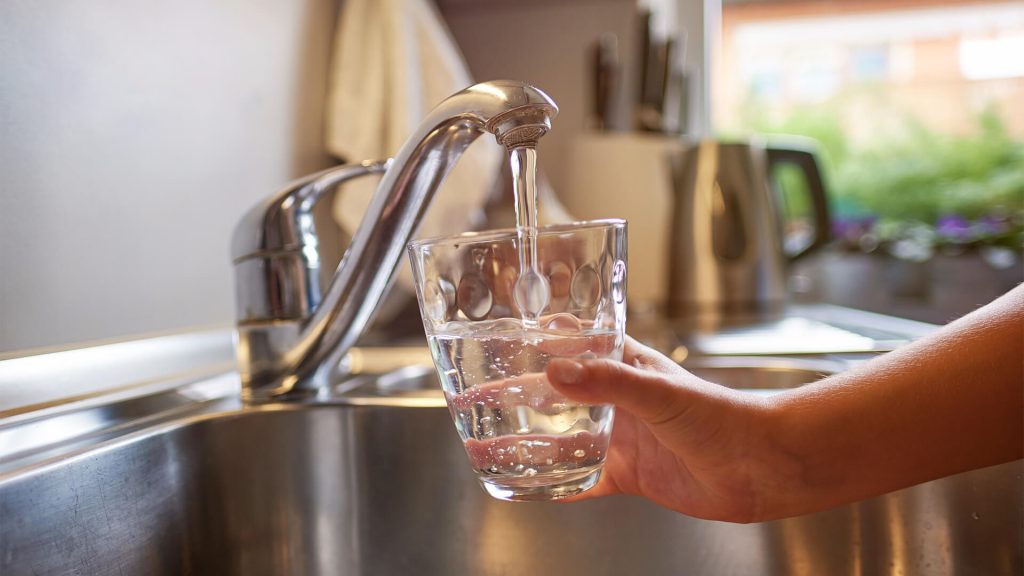

Nutrition Fluids, person filling glass of water from tap.

Nutrition and Fluids

Our Nutrition and Fluids course enables attendees to gain knowledge regarding nutrition and fluids including signs of malnutrition as well as how to support someone with eating and drinking in a person-centred approach.

"*" indicates required fields

This field is for validation purposes and should be left unchanged.

Trusted by over 1000 businesses throughout the UK

Learn to identify signs of malnutrition and dehydration and when should a dietician referral be made.

What is nutrition? What is hydration? What is Diet? Why is nutrition and hydration important? What are the risks of poor diet? What are the 7 essential nutrients? What are calories and how many do we need? What do food labels mean? What are the signs of poor nutrition? What is the Eatwell Guide?

Our Nutrition and Fluids course will help you to answer the questions above and more.

In the UK, estimates suggest 1.3 million people over 65 suffer from malnutrition (Malnutrition Taskforce)

Through our Nutrition and Fluids course, you will gain an understanding of the basics of healthy eating and hydration. You will learn to recognise the signs of poor nutrition and dehydration and how to support individuals with eating and drinking. You will learn to perform a basic assessment and screening for malnutrition. You will be better equipped to identify potential concerns, offer practical and person-centred support and know when and how to refer to a specialist.

What you'll learn.

  • What is meant by nutrition and diet.
  • Understanding the importance of adequate hydration, nutrition and diet.
  • Be aware of the signs of poor nutrition and diet.
  • Recognise the main macro and micronutrients necessary for a healthy diet.
  • Gain knowledge of food safety legislation, supporting someone with eating and drinking and how to perform a comprehensive assessment of someone’s nutrition and hydration status using MUST assessment tool.

Who is Nutrition and Fluids for?

Our Nutrition and Fluids course is suitable for social and health care workers looking to enhance their knowledge on good nutritional and dietary practices to provide appropriate person-centred support.

What are the learning outcomes?

By the end of the course, you will be able to…

  • Define nutrition and diet.
  • List the signs of poor nutrition and dehydration.
  • Recognise the basics of healthy eating and hydration.
  • List the main macro and micronutrients necessary for a healthy diet.
  • Be able to identify potential concerns with an individuals
  • Demonstrate understanding of food labelling and the Eatwell Guide to promote a healthy balanced diet.
  • Develop knowledge, skills and strategies to support people at risk of poor nutrition, dehydration and overcome eating and drinking issue in a person-centred approach within the setting.

Get a quote

"*" indicates required fields

This field is for validation purposes and should be left unchanged.
{{ reviewsTotal }}{{ options.labels.singularReviewCountLabel }}
{{ reviewsTotal }}{{ options.labels.pluralReviewCountLabel }}
{{ options.labels.newReviewButton }}
{{ userData.canReview.message }}

Frequently Asked Questions

Why are fluids and nutrition important?
Fluids and nutrition are the building blocks of a healthy body. They are essential for bodily functions. Dehydration can lead to constipation, fatigue and even confusion. Nutrients from food provide the energy your body needs to function and stay active. Nutrients are used to build and repair tissues throughout the body, including muscle, bones and organs. A balanced diet rich in vitamins and minerals helps your immune system fight off infections. Good nutrition also helps maintain a healthy weight, reduces the risk of chronic diseases, and improves mood and energy levels.
The amount of water you need depends on several factors, such as your age, activity level, and climate. However, a general guideline is to drink 2 litres glasses of water per day.
If you have concerns about your diet or nutrition, or if you have any medical conditions that affect your ability to eat or absorb nutrients, it’s important to see a doctor or registered dietitian. They can help you create a personalised plan to meet your individual needs.

Related Courses

Receive a bespoke quote.

Give your team the training they need.

"*" indicates required fields

This field is for validation purposes and should be left unchanged.
Please enter a number greater than or equal to 1.
Consent to personal data processing
Receive marketing information and promotions
  • Tailored Learning: Our programs are adaptable to meet every learner’s needs.
  • Quality Assurance: Proudly accredited by UKAS ISO 9001, BILD, ICM, Qualsafe Awards, and Ability Training Awards.
  • Lasting Partnerships: Our commitment extends beyond the classroom as we aspire to forge lasting partnerships

Talk to the team

Get instant answers to all your questions

Drop us an email [email protected]

8:30am–4:30pm — Monday to Friday

(except bank holidays)
Contact Us, man using phone and laptop sat on sofa