
Able Target System Module 1
The Positive Behavioural Support & De-escalation Module of the Able Target System provides accredited training for dealing with challenging behaviour. Based on the principles of positive behavioural support, pro‐active and responsive strategies and de‐escalation. Our training in the subject of managing difficult behaviours and aggression all follow the Able Target System. The Able Target system is Able Training’s system for managing behaviour of concern, behaviour that challenges, distress, crisis, aggression and violence. It is adaptable to various environments in the health and social care and education settings. It comprises of 5 modules that map across from the three tier strategy process which includes primary strategies, secondary and proactive responsive strategies and tertiary intervention. This module includes preventative, proactive and responsive strategies to manage behaviour of concern and aggression including support of positive behaviours and de-escalation.
What you'll learn.
Primary strategies including preventative, proactive and responsive strategies to manage behaviour of concern and aggression (Positive behavioural support and de-escalation). ‘Behaviour that challenges’ comes in many forms and varies dependent on situation and environment and the personal feelings of the individuals involved. This course will enable participants to explore the issues that lead to challenging behaviour and is tailored to your environment and needs. Learners will learn how to respond rather than react to behaviour that challenges and aggression through techniques including:
Behavioural analysis
Behavioural planning
Reinforcing and rewarding behaviour that is incompatible with challenging behaviour.
Appropriate extinguishing
Clear communication
De‐escalation techniques
Person-centred problem solving to create win‐win outcomes
What to do when faced with danger.
Who is Positive Behavioural Support & De-escalation Training for?
This course has been created to adapt to the needs of your setting and can be delivered to pre-schools, schools, children’s homes, supported living, learning disability settings and mental health settings. This course is designed for individuals operating in low risk environments, where they experience little or no hazardous behaviour. However, want staff to understand more about behaviours of concern and better support individuals to prevent behaviours from escalating. Bespoke days are taught in child care and educational settings.
This course is suitable for all participants. Each module is made up of numerous setting specific components and the modules must be completed in order. The module level required, and components included will be based on your individual setting, risk assessment and training needs analysis.
What are the learning outcomes?
- Understand the causes and functions of behaviours of concern
- Identify the difference between primary, secondary and tertiary strategies
- Recognise the importance of proactive as well as responsive strategies
- Explore factors and conditions that change behaviour
- Understand the effects of trauma and how it affects behaviour
- Outline the benefits of using a positive behavioural support-based system
- Label the six stages of the Able Target Model
- Recognise stages of escalation and understand appropriate response methods
- Develop strategies to manage individual needs based on planning and response
- Instigate an appropriate debrief/reflection process after an incident occurs
Optional Day 2: Able Advocate Programme Level 1
- Developing a restraint reduction programme within your setting
- Create behavioural plans
- Perform basic functional analysis and create behaviour hypothesis
- Develop pro-active teaching plans for an individual’s new skills
- Develop behaviour support strategies for all levels of escalation
- Demonstrate psychological first aid for both staff and individuals in the reflection process
- Use data to review practice and improve outcomes for all.
- Understand how Adverse childhood experiences can impact on development
- Identify trauma and attachment related behaviours and recognise shame shield strategies
- Recognise the difference between old logic behaviour management and new strategies
- Look at how the PACE model fits into the Target model
- Develop pro-active strategies for positive school culture, engagement, inclusivity and behaviour policies
- Develop positive classroom management strategies
- Demonstrate positive responses to common classroom issues.
Additional content is available as required depending on your setting needs, includes:
- Understanding Trauma and trauma-informed care.
- Understanding Mental health and mental illness
- Mental Capacity Act 2005 and Liberty safeguard protection
- PACE model of supporting children with attachment difficulties or trauma.
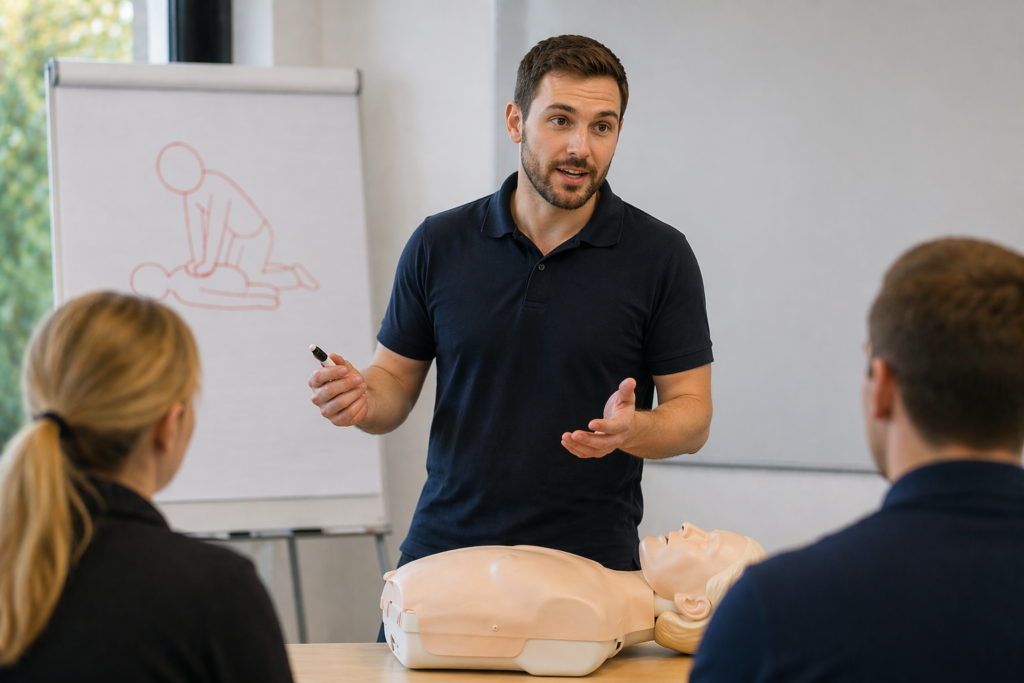
- Basic life support and first aid skills.
- Understanding additional conditions autism, fetal alcohol spectrum disorder, ADHD, sensory processing disorder, dementia
- Download course brochure