
Acquired Brain Injury

Acquired Brain Injury (ABI)

Our Acquired Brain Injury course enables attendees to get an insight into the effect that brain injuries can have on people’s physical, emotional and social well-being. The course also highlights approaches to assist those having gone through injuries.

"*" indicates required fields

This field is for validation purposes and should be left unchanged.

Trusted by over 1000 businesses throughout the UK

Learn the impacts a brain injury can have on an individual.

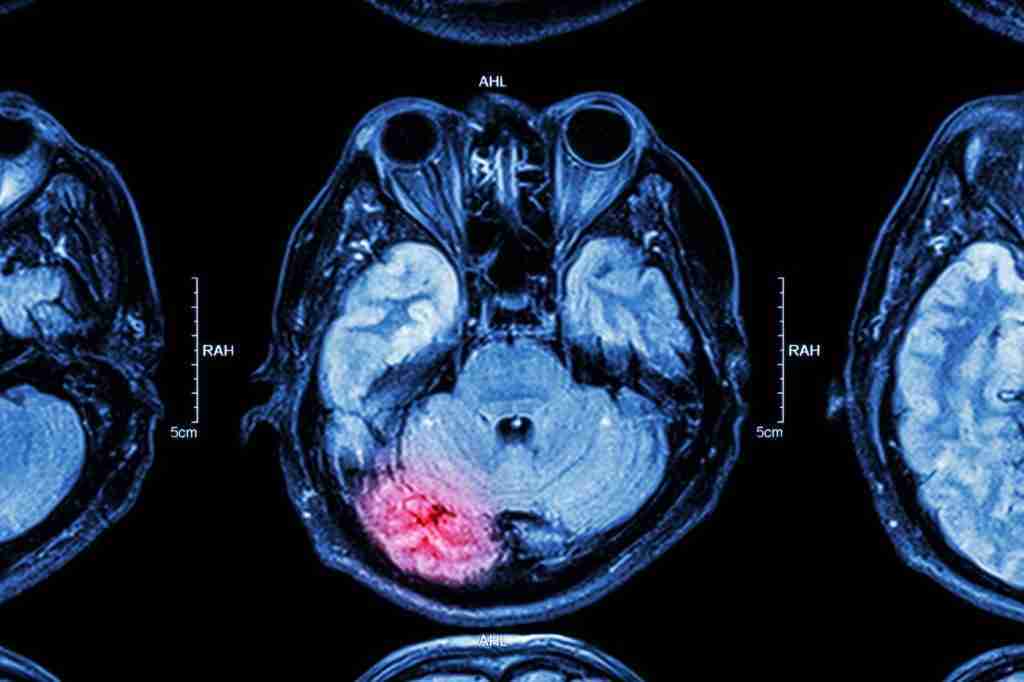
Acquired brain injuries are not hereditary, congenital, degenerative, or induced by birth trauma. The injury results in a change in neural activity, which affects the physical integrity, the metabolic activity, or the functional ability of nerve cells in the brain

What is ABI? How is the way the brain works in affected by ABI? What are some false assumptions that are made about ABI? What is a traumatic brain injury? What is the Glasgow Coma scale? What happens to my brain during a stroke? How can I assist a loved one after they suffered an ABI?

Our ABI course will help you to answer these questions and so much more.

Our Acquired Brain Injury course will help you to answer the questions above and so much more.

Through our Acquired Brain Injury (ABI) course you will gain an understanding of the function and the anatomy of the brain. You will develop an understanding of the impacts that brain injury can have on a person. You will identify strategies that will assist with ABI and recognise the importance of routines. You will learn how to create plans that will allow others to improve outcomes.

What you'll learn.

  • The function and the anatomy of the brain.
  • Defining brain injuries, its different causes and severity.
  • The difference between excess behaviours and behavioural deficits.
  • Develop the understanding of the impact of being a brain injury survivor
  • Recognise the importance of routines.
  • Identify strategies for errorless learning and understand its benefits.
  • Create plans to improve outcomes.

Who is Acquired Brain Injury (ABI) for?

Our ABI course is for anyone who works with someone that has been through an ABI. This could be a loved one, or simply someone through a job. The course outlines issues and ways to assist those with ABI, so would be helpful to frontline staff as well as managers.

What are the learning outcomes?

By the end of the course, you will be able to:

  • State different functions and the anatomy of the brain.
  • Define some brain injuries, their different causes and how they can vary in severity.
  • Detail the difference between excess behaviours and behavioural deficits.
  • Understand the impact of being a brain injury survivor.
  • Recognise the importance of routines for those with ABI.
  • Identify strategies for errorless learning and understand its benefits.
  • Create plans to improve outcomes.

Get a quote

"*" indicates required fields

This field is for validation purposes and should be left unchanged.
{{ reviewsTotal }}{{ options.labels.singularReviewCountLabel }}
{{ reviewsTotal }}{{ options.labels.pluralReviewCountLabel }}
{{ options.labels.newReviewButton }}
{{ userData.canReview.message }}

Frequently Asked Questions

What is an Acquired brain injury?
Acquired brain injury (ABI) is an umbrella term for any injury to the brain that occurs after birth. This damage can disrupt the normal functioning of the brain, leading to a wide range of physical, cognitive, emotional and social problems.
Acquired brain injuries (ABI) can result from trauma (such as a concussion or penetrating injury), stroke, brain tumours, infections (like meningitis), hypoxia (lack of oxygen), or toxins. Traumatic brain injury (TBI) from accidents or falls and non-traumatic injuries like strokes are common types. Each type requires tailored medical and rehabilitative interventions to maximise recovery and improve quality of life.
Supporting a person with an acquired brain injury (ABI) requires addressing physical, cognitive, emotional and social needs. Educate yourself about ABI and ensure access to professional medical care and tailored rehabilitation therapy. Create a supportive environment, establishing a structured routine and use assistive devices when needed. Encourage social interaction and offer emotional support and help them develop their own coping strategies. Ensure safety precautions and empower them to advocate for their needs and preferences. With patience, understanding, and appropriate resources, individuals with ABI can achieve meaningful progress and improve their quality of life.

Related Courses

Receive a bespoke quote.

Give your team the training they need.

"*" indicates required fields

This field is for validation purposes and should be left unchanged.
Please enter a number greater than or equal to 1.
Consent to personal data processing
Receive marketing information and promotions
  • Tailored Learning: Our programs are adaptable to meet every learner’s needs.
  • Quality Assurance: Proudly accredited by UKAS ISO 9001, BILD, ICM, Qualsafe Awards, and Ability Training Awards.
  • Lasting Partnerships: Our commitment extends beyond the classroom as we aspire to forge lasting partnerships

Talk to the team

Get instant answers to all your questions

Drop us an email [email protected]

8:30am–4:30pm — Monday to Friday

(except bank holidays)
Contact Us, man using phone and laptop sat on sofa