





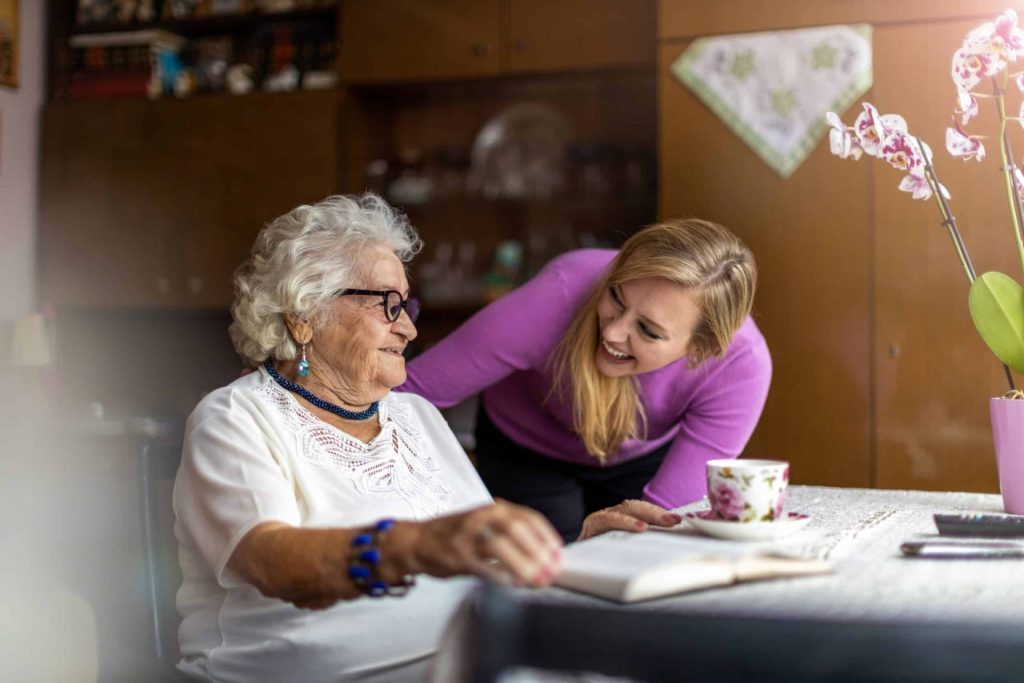
Elderly Mental Health Training

As we age, our mental health can become increasingly fragile. Elderly individuals may experience a range of mental health issues, including depression, anxiety, and cognitive decline. It’s essential to address these issues early on to prevent them from developing into more serious conditions. Elderly mental health courses can help individuals learn how to manage these issues and improve their overall quality of life.

Course Child Category Radio
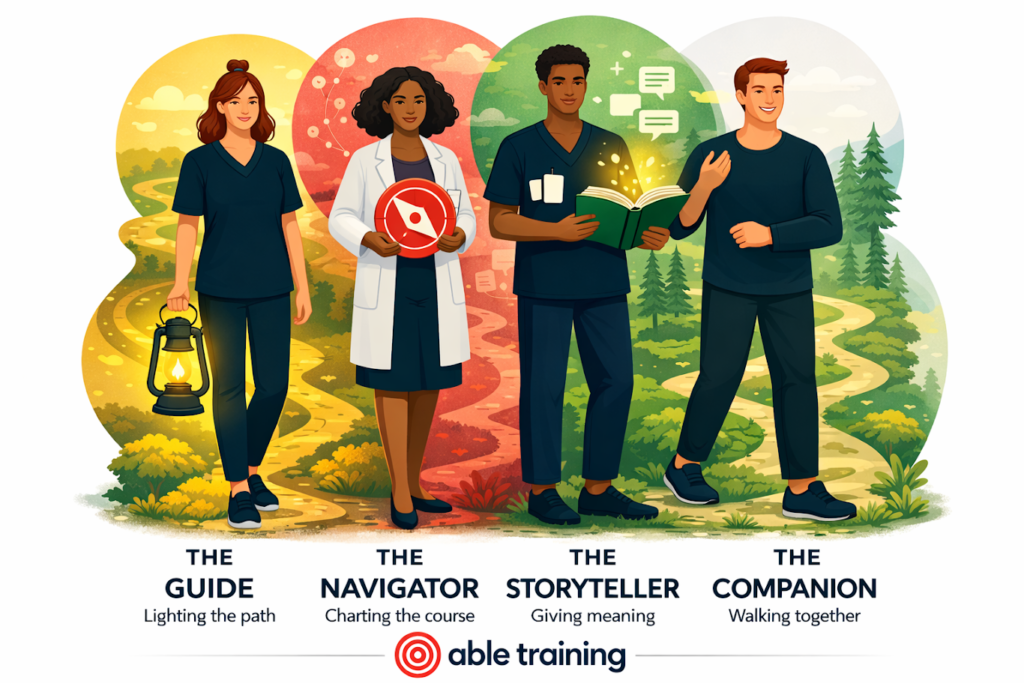
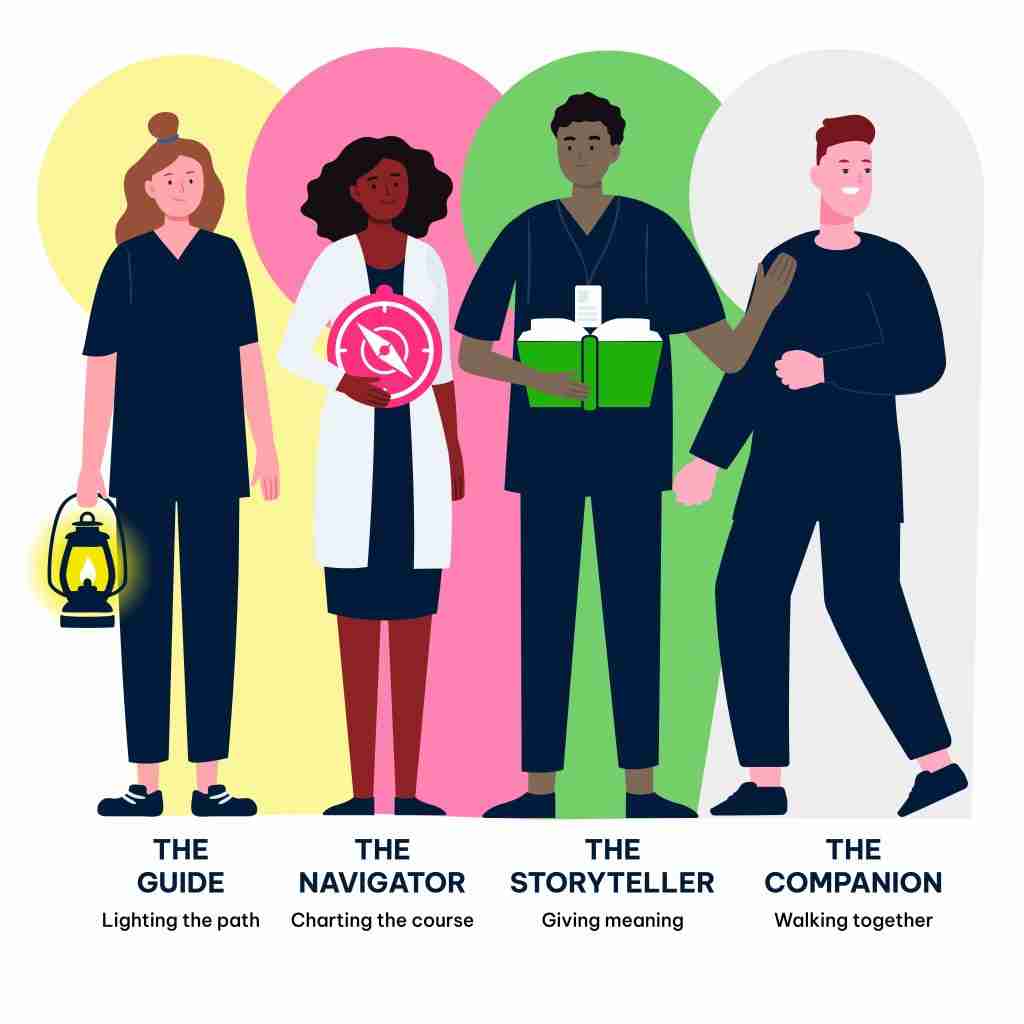
Four illustrated roles: guide, navigator, storyteller, companion

Adaptive Caregiver Model: Supporting People Living with Dementia, Train the Trainer Course

The Adaptive Caregiver Model Train the Trainer programme is a three-day course designed to equip experienced dementia care professionals with the knowledge, confidence and resources to deliver Adaptive Caregiver Model training within their own organisation or as an independent trainer.

Man sitting at table holding head thoughtfully

Young Onset Dementia in Care

Young onset dementia affects people under 65 and often brings different symptoms, different pressures, and longer journeys to diagnosis. Developed by Able Training in partnership with Dementia Forward, this half-day course builds understanding of what young onset dementia is, the conditions that can cause it, and why it can be missed or misunderstood.
Adaptive Caregiver Model: Supporting People Living with Dementia

Adaptive Caregiver Model: Supporting People Living with Dementia

Our Adaptive Caregiver Model (ACM) course enables caregivers to respond more effectively to the changing emotional and cognitive needs of people living with dementia. It provides a flexible, practical framework that teaches caregivers how to adapt their tone, pace, and approach to suit the moment helping every interaction become calmer, kinder, and more meaningful.
Supporting LGBTQ+ Inclusion in Dementia Care

Supporting LGBTQ+ Inclusion in Dementia Care

When someone is living with dementia, they don’t stop being themselves their history, identity, and relationships still matter. For LGBTQ+ individuals, those personal stories often include decades of navigating prejudice, discrimination, and hard-won legal rights. In some cases, these experiences can resurface in later life, especially when entering care settings.
dementia awareness

Dementia Awareness Training

Empower your team with the skills and understanding needed to support people living with dementia. Our Dementia Training provides essential knowledge for anyone working in health, social care, education, or public-facing roles. Designed in connection with Dementia Forward, this course helps attendees understand what dementia is, the different types, key signs and symptoms, and how it affects the brain. Whether you work directly with individuals living with dementia or want to improve your awareness, our training equips you with practical strategies to deliver compassionate, person-centred care. In connection with Dementia Forward, our Dementia Awareness course enables attendees to state what dementia is and isn’t, list the different types of dementia, and describe signs and symptoms.
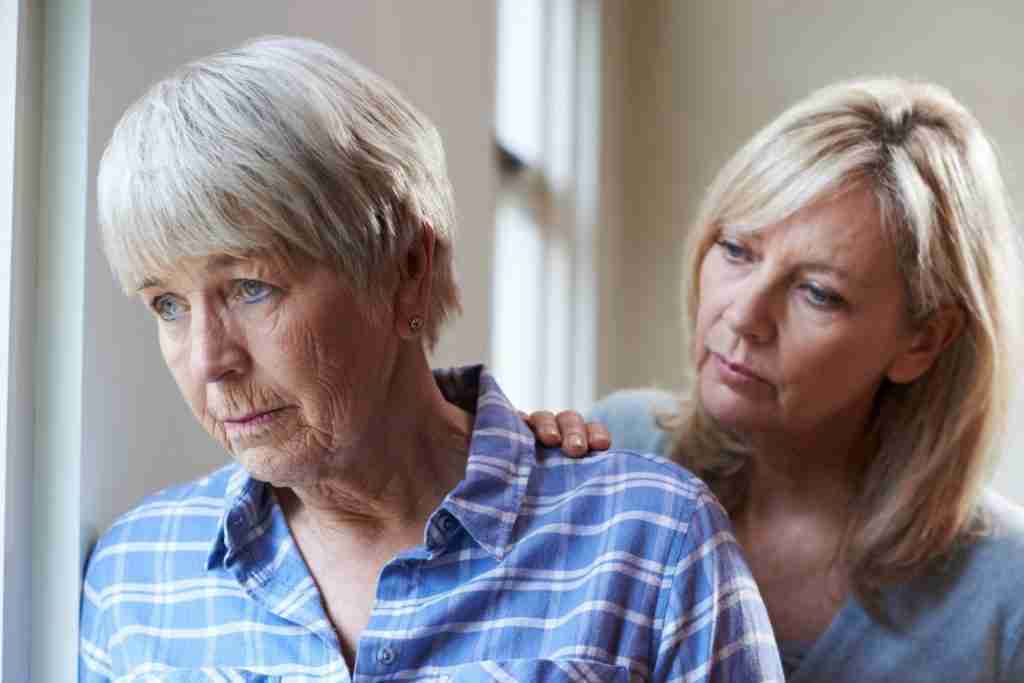
An elderly woman with dementia looking out of a window dementia behaviour changes.

Understanding and Responding to Distressed Behaviours Course

Our Understanding and Responding to Distressed Behaviours Course enables attendees to explore how and why dementia affects a person’s behaviour and gives attendees ways to reduce behaviours and de-escalate distress.
young onset dementia

Young Onset Dementia in Care

This course is designed to equip care professionals with the knowledge and practical skills needed to support people living with young onset dementia – dementia that develops before the age of 65.
liberty safeguards

Meaningful Engagement and Activities in Dementia Course

In connection with Dementia Forward, our Meaningful Engagements in Dementia course enables attendees to state what a meaningful engagement is and understand the importance of a person-centred approach, helping to create positive interactions for people living with dementia.
dementia awareness for the chruch

Dementia Awareness for the Church

Our Dementia Awareness for the Church course enables attendees to understand how to support and communicate well with people with Dementia.
privacy and dignity in care

Privacy & Dignity in Care Online

Our Privacy and Dignity in Care course enables attendees to gain knowledge regarding the legislation and regulations involved as well as the 8 dignity factors.

Improve Elderly Mental Health with Accessible and Supportive Courses

As we age, our mental health can become increasingly fragile. Elderly individuals may experience a range of mental health issues, including depression, anxiety, and cognitive decline. It’s essential to address these issues early on to prevent them from developing into more serious conditions. Elderly mental health courses can help individuals learn how to manage these issues and improve their overall quality of life.

Elderly mental health courses provide individuals with the knowledge and skills necessary to manage their mental health effectively. These courses cover a variety of topics, including identifying the signs and symptoms of mental health issues, developing coping strategies, and seeking professional help when needed. Participants learn how to maintain a healthy lifestyle, which can reduce the risk of mental health issues, and how to manage chronic conditions, such as dementia and Alzheimer’s disease.

One of the most significant benefits of elderly mental health courses is the social interaction they provide. Many elderly individuals experience social isolation, which can contribute to mental health issues such as depression and anxiety. Elderly mental health courses provide a supportive and inclusive environment where individuals can connect with others who are going through similar experiences. This sense of community can be incredibly beneficial for maintaining mental wellness and preventing the onset of mental health issues.

Elderly mental health courses are also designed to be accessible to individuals of all abilities. Many courses are available online, which makes them easily accessible to individuals who may have mobility issues or live in remote areas. The courses are typically self-paced, which means that individuals can complete them at their own speed, allowing them to take breaks as needed.

Another significant benefit of elderly mental health courses is that they are often led by experienced professionals. These professionals have extensive knowledge of mental health issues and can provide valuable insights into how to manage them effectively. They can also offer guidance and support to individuals who may be struggling with their mental health.

Elderly mental health courses can also provide individuals with the tools they need to support their loved ones. Many elderly individuals have family members who are also struggling with mental health issues. By participating in these courses, individuals can learn how to support their loved ones effectively and ensure that they receive the care they need.

In conclusion, elderly mental health courses are a valuable resource for individuals who are looking to maintain their mental wellness as they age. These courses provide participants with the knowledge and skills necessary to manage their mental health effectively, reduce the risk of mental health issues, and improve their overall quality of life. They offer a supportive and inclusive environment where individuals can connect with others and receive guidance and support from experienced professionals. With the rise of mental health concerns among elderly individuals, it is essential to take proactive steps to address these issues. Elderly mental health courses provide a practical and accessible way to do so, and their benefits can be significant and long-lasting.

Talk to the team

Get instant answers to all your questions

Drop us an email [email protected]

8:30am–4:30pm — Monday to Friday

(except bank holidays)
Contact Us, man using phone and laptop sat on sofa