







Social Care Training

Social care training is an essential part of the social care sector, aimed at enhancing the skills and knowledge of professionals involved in the care and support of vulnerable people. It encompasses a range of courses and training programs designed to equip caregivers with the necessary tools to deliver high-quality care services.

Course Child Category Radio
Safeguarding Train the Trainer

Safeguarding Level 3 & Designated Safeguarding Lead Train the Trainer

Our Safeguarding Level 3 and Designated Safeguarding Lead Train the Trainer course enables attendees to deliver professional safeguarding training and understand the key legislation in relation to safeguarding children and adults at risk
MVA Young person screaming

MVA Management of Violence and Aggression

This course explores the six stages of managing aggression and challenging behaviour including physical and non-physical defence strategies suitable to the NHS.
Safeguarding and Child Protection, young. family having conversation with therapist.

Safeguarding and Child Protection Course

Our Safeguarding and Child Protection course enables attendees to understand what is meant by safeguarding children as well as the types of intervention and their thresholds.
combined efaw and epfa

QA Level 3 Award in Combined Emergency First Aid at Work (EFAW) and Emergency Paediatric First Aid (EPFA)

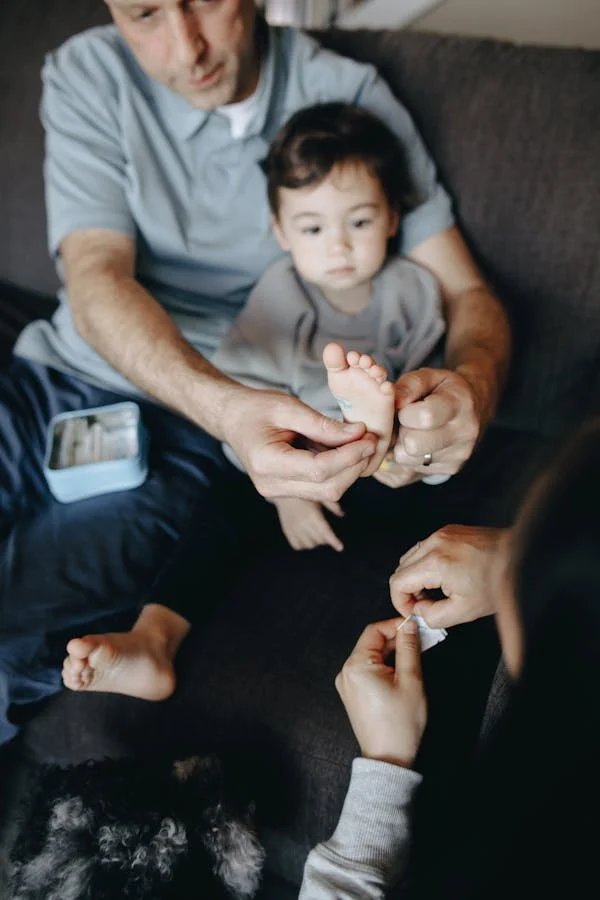
Our Combined EFAW and EPFA course is designed for individuals who wish to act as an emergency first aider in their workplace and who have a responsibility to look after both children and adults.
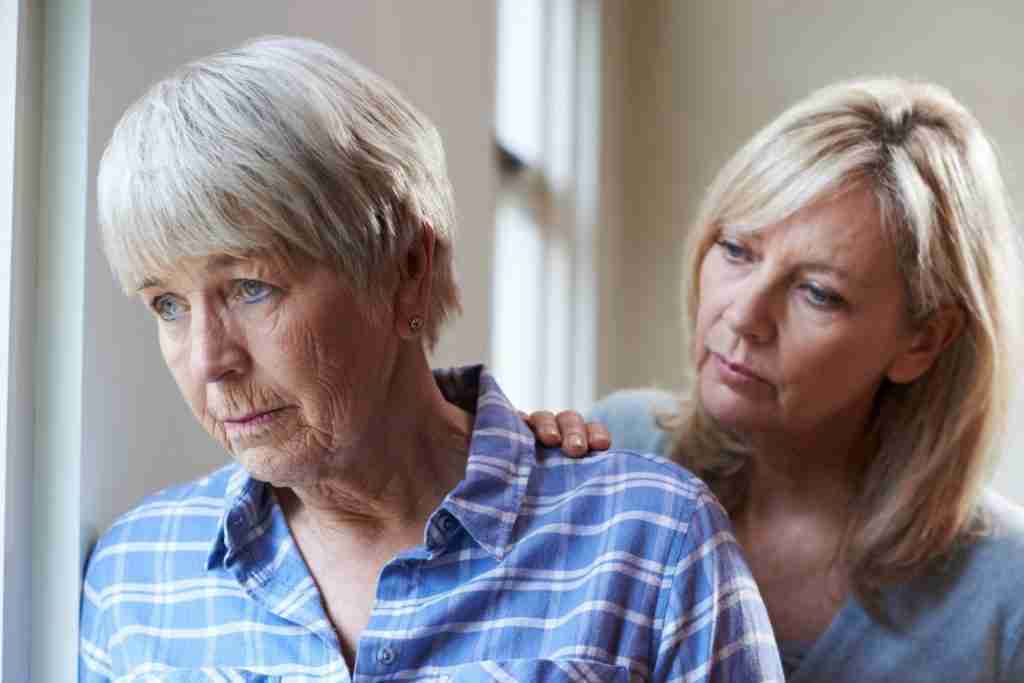
An elderly woman with dementia looking out of a window dementia behaviour changes.

Understanding and Responding to Distressed Behaviours Course

Our Understanding and Responding to Distressed Behaviours Course enables attendees to explore how and why dementia affects a person’s behaviour and gives attendees ways to reduce behaviours and de-escalate distress.
qa level 3 award in combined first aid at work and paediactric first aid (1)

QA Level 3 Award in Combined First Aid at Work and Paediatric First Aid

Our Combined FAW and PFA course enables attendees to identify the role and responsibilities of a first aider and paediatric first aider as well as to identify how to minimise the risks of infection to self and others.
liberty safeguards

Meaningful Engagement and Activities in Dementia Course

In connection with Dementia Forward, our Meaningful Engagements in Dementia course enables attendees to state what a meaningful engagement is and understand the importance of a person-centred approach, helping to create positive interactions for people living with dementia.
is cerebral palsy and autism linked?

Learning Disabilities

Our Learning Disabilities course enables attendees to outline what a learning disability is as well as how to support those individuals with a learning disability daily.
child criminal exploitation and county lines online

Child Criminal Exploitation and County Lines Online

Our Criminal Exploitation and County Lines course enables attendees to gain knowledge regarding who is commonly targeted as well as the legislation involved.
domestic abuse

Domestic Abuse

Our Domestic Abuse course enables attendees to understand the characteristics of domestic abuse, the signs, the impact as well as how you can support the survivors.

Social Care Training: Improving Care Quality and Promoting Well-being for Caregivers and Vulnerable People.

Social care training covers a wide range of topics, from fundamental caregiving skills such as communication and basic first aid, to specialised training for dementia care, mental health, and end-of-life care. The training is offered to various types of caregivers, including professional caregivers, family caregivers, and volunteers.

One of the primary objectives of care training is to improve the quality of care provided to vulnerable people, including the elderly, people with disabilities, and those with mental health conditions. By providing caregivers with the necessary knowledge and skills, training ensures that vulnerable people receive the best possible care, leading to better outcomes for both the caregivers and care recipients.

Quality training helps to reduce the risk of abuse and neglect by caregivers. By providing training on ethical and legal considerations, caregivers are better equipped to identify and respond appropriately to situations that may arise in the course of their work.

Training also plays a crucial role in promoting the well-being of caregivers. Caring for vulnerable people can be a physically and emotionally demanding job, and without the proper support and training, caregivers may suffer from burnout, stress, and other health issues. The training provides caregivers with tools to manage stress and maintain their own well-being, which in turn enhances the quality of care they provide.

Furthermore, training is essential for meeting regulatory requirements and ensuring compliance with healthcare standards. Caregivers who receive social care training are better prepared to provide safe and effective care, which can lead to better regulatory compliance and accreditation.

Training is a vital component of the social care sector, providing caregivers with the necessary knowledge and skills to deliver high-quality care services to vulnerable people. By promoting the well-being of caregivers, improving the quality of care, and ensuring regulatory compliance, training is critical for the success of the healthcare industry. Whether you’re a professional caregiver, family caregiver, or volunteer, social care training is an investment in your future and the future of those you care for.

Talk to the team

Get instant answers to all your questions

Drop us an email [email protected]

8:30am–4:30pm — Monday to Friday

(except bank holidays)
Contact Us, man using phone and laptop sat on sofa