








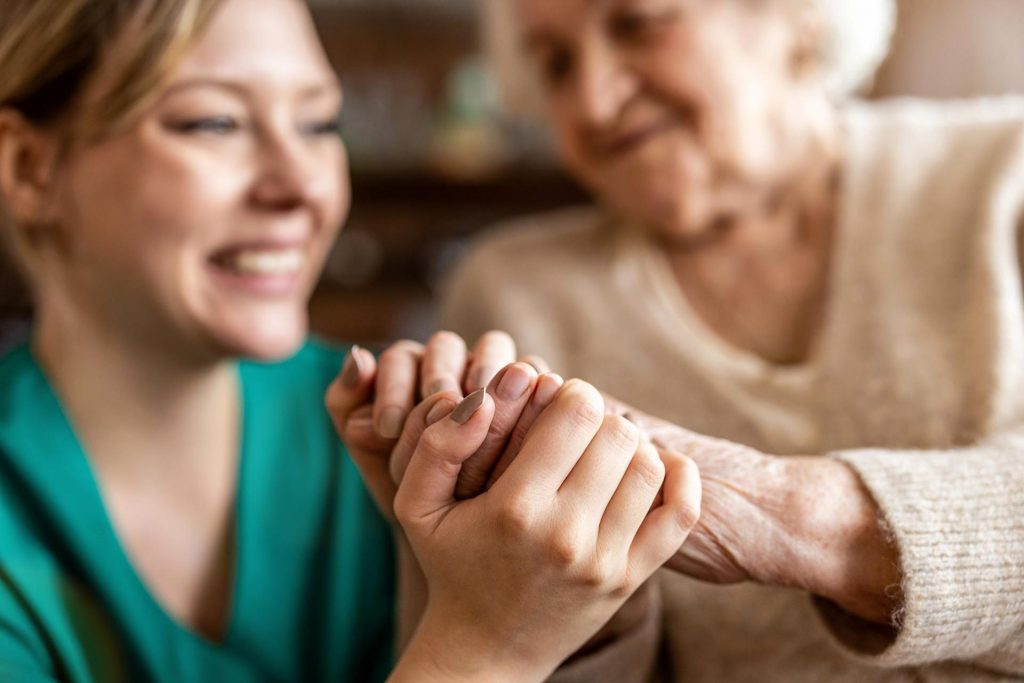
Social Care Training

Social care training is an essential part of the social care sector, aimed at enhancing the skills and knowledge of professionals involved in the care and support of vulnerable people. It encompasses a range of courses and training programs designed to equip caregivers with the necessary tools to deliver high-quality care services.

Course Child Category Radio
Able Training Foster Carers to deal with challenging behaviour

Challenging Behaviour Training

Challenging Behaviour Training for adult and child settings including Schools & Education, Foster Care, Children’s Homes, Elderly Care, Social Care & Mental Health settings.
Father lifting child up playing

Positive Handling & Restraint Training Course

Restrictive and non-restrictive physical intervention skills including; Positive handling, guiding, shepherding, restraint and clinical holding
pathalogical demand avoidance pda

Pathological Demand Avoidance (PDA) Training

Our Pathological Demand Avoidance course enables attendees to gain knowledge on recognising the characteristics of PDA and understand how to support an individual with PDA.
Oral Healthcare, Elderly lady smiling with clean teeth.

Oral Health Care Course

Our Oral Health course enables attendees to understand the importance of mouth care and carry out an oral health assessment for individuals in their care.
supportive observation within mental health

Supportive Observations within Mental Health

Supportive observation is an important skill for all mental health professionals.
First Aid For Mental Health Level , young woman having discussion with another young woman privately.

First Aid for Mental Health Level 3

Our Mental Health First Aid Level 3 course is an internationally recognised and accredited 2-day course developed by Mental Health First Aid England. It is designed to raise the awareness of mental health and reduce the stigma surrounding mental health issues.
mental health first aid

Level 2 Mental Health First Aid

Our First Aid for Mental Health Level 2 course enables attendees to understand what mental health is and why individuals develop mental health conditions and the role of a first aider.
understanding foetal alcohol spectrum disorder

Foetal Alcohol Spectrum Disorder (FASD)

Our FASD course enables attendees to gain a better understanding of FASD, recognise signs and symptoms of the disorder as well as knowledge of the screening and diagnosis of FASD.
Positive Behavioural Support, young girl looking happy speaking to man.

Positive Behaviour Support Training (PBS Training)

Positive Behaviour Support Training (PBS Training) is a person-centred approach to supporting people with behaviours that challenge
safe holding

Advanced Safe Holding Training Course

Module 4 can only be delivered to delegates who hold a valid certification in Modules 1, 2, and 3 (to maintain valid certification in 1 2 3, learners should have completed annual refreshers as well as the original course). Module 4 certification is valid for 1 year only.

Social Care Training: Improving Care Quality and Promoting Well-being for Caregivers and Vulnerable People.

Social care training covers a wide range of topics, from fundamental caregiving skills such as communication and basic first aid, to specialised training for dementia care, mental health, and end-of-life care. The training is offered to various types of caregivers, including professional caregivers, family caregivers, and volunteers.

One of the primary objectives of care training is to improve the quality of care provided to vulnerable people, including the elderly, people with disabilities, and those with mental health conditions. By providing caregivers with the necessary knowledge and skills, training ensures that vulnerable people receive the best possible care, leading to better outcomes for both the caregivers and care recipients.

Quality training helps to reduce the risk of abuse and neglect by caregivers. By providing training on ethical and legal considerations, caregivers are better equipped to identify and respond appropriately to situations that may arise in the course of their work.

Training also plays a crucial role in promoting the well-being of caregivers. Caring for vulnerable people can be a physically and emotionally demanding job, and without the proper support and training, caregivers may suffer from burnout, stress, and other health issues. The training provides caregivers with tools to manage stress and maintain their own well-being, which in turn enhances the quality of care they provide.

Furthermore, training is essential for meeting regulatory requirements and ensuring compliance with healthcare standards. Caregivers who receive social care training are better prepared to provide safe and effective care, which can lead to better regulatory compliance and accreditation.

Training is a vital component of the social care sector, providing caregivers with the necessary knowledge and skills to deliver high-quality care services to vulnerable people. By promoting the well-being of caregivers, improving the quality of care, and ensuring regulatory compliance, training is critical for the success of the healthcare industry. Whether you’re a professional caregiver, family caregiver, or volunteer, social care training is an investment in your future and the future of those you care for.

Talk to the team

Get instant answers to all your questions

Drop us an email [email protected]

8:30am–4:30pm — Monday to Friday

(except bank holidays)
Contact Us, man using phone and laptop sat on sofa