





Mental Health Training Courses

Mental health has become a prominent concern in today’s world, and the need for qualified mental health professionals has risen significantly in recent years. Our mental health training courses are an excellent way to equip individuals with the knowledge, skills, and confidence needed to help people with mental health problems. These courses cover a wide range of topics related to mental health, including recognising the signs and symptoms of different mental illnesses, understanding treatment options, and learning how to support individuals struggling with their mental health effectively.

Course Child Category Radio
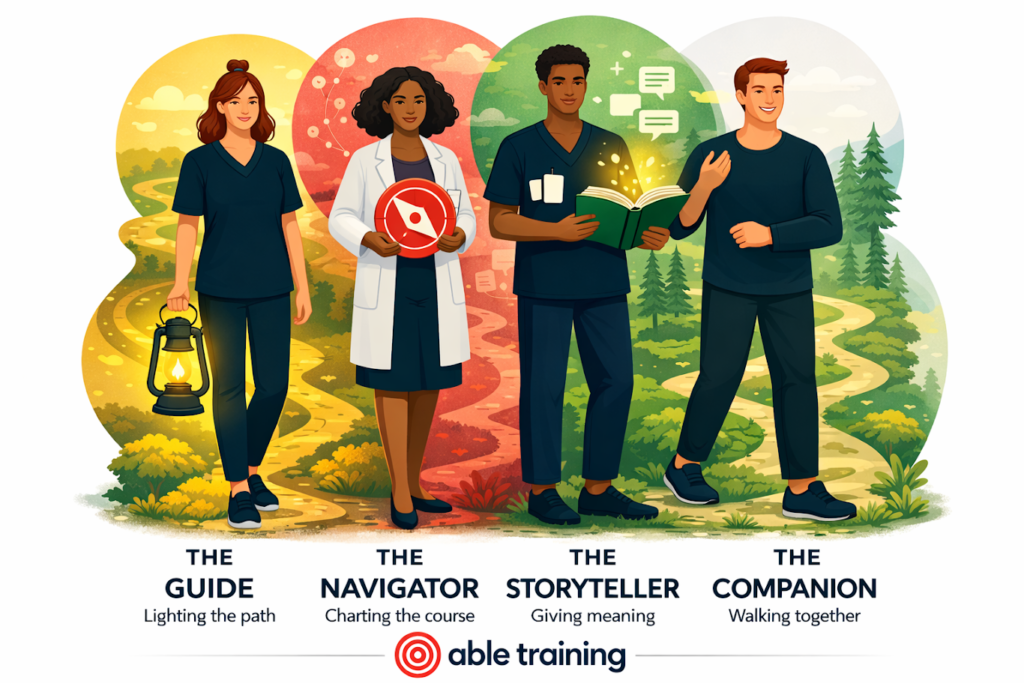
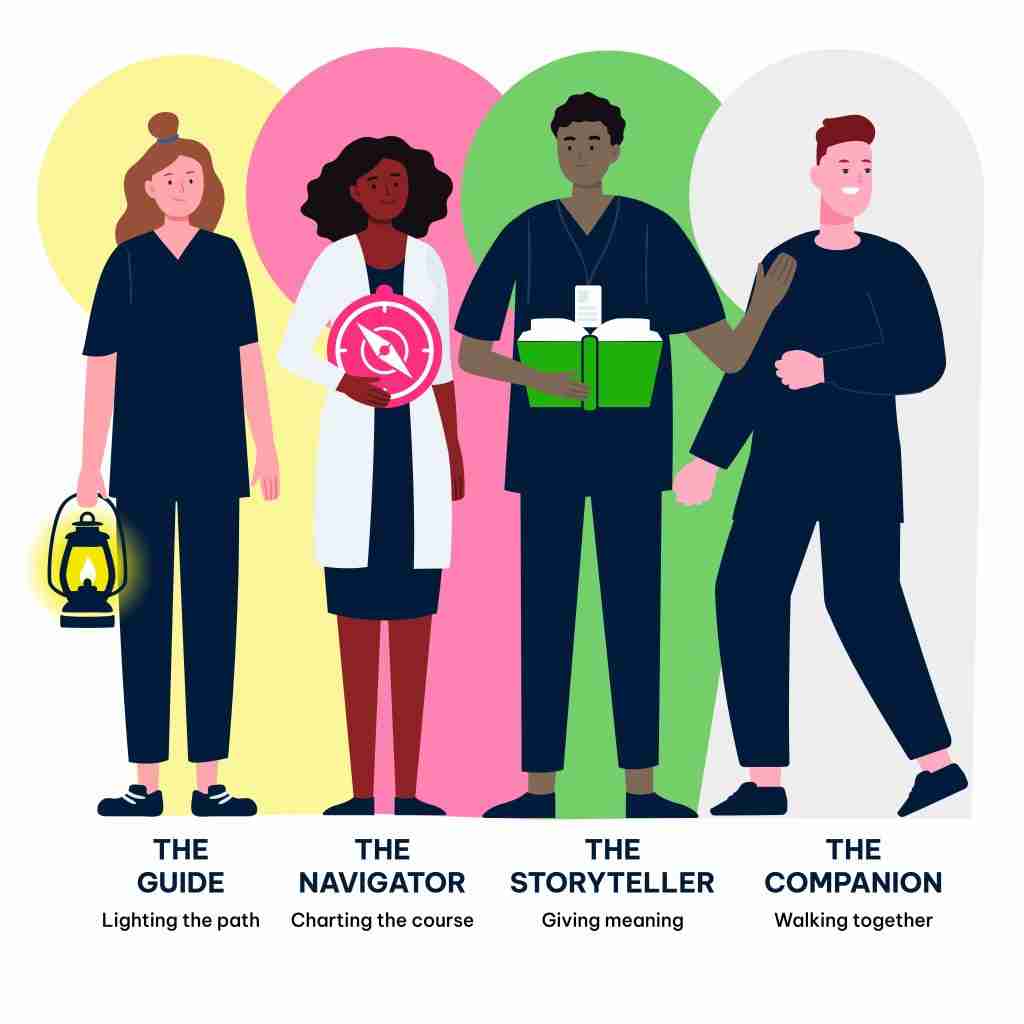
Four illustrated roles: guide, navigator, storyteller, companion

Adaptive Caregiver Model: Supporting People Living with Dementia, Train the Trainer Course

The Adaptive Caregiver Model Train the Trainer programme is a three-day course designed to equip experienced dementia care professionals with the knowledge, confidence and resources to deliver Adaptive Caregiver Model training within their own organisation or as an independent trainer.

Man sitting at table holding head thoughtfully

Young Onset Dementia in Care

Young onset dementia affects people under 65 and often brings different symptoms, different pressures, and longer journeys to diagnosis. Developed by Able Training in partnership with Dementia Forward, this half-day course builds understanding of what young onset dementia is, the conditions that can cause it, and why it can be missed or misunderstood.
Adaptive Caregiver Model: Supporting People Living with Dementia

Adaptive Caregiver Model: Supporting People Living with Dementia

Our Adaptive Caregiver Model (ACM) course enables caregivers to respond more effectively to the changing emotional and cognitive needs of people living with dementia. It provides a flexible, practical framework that teaches caregivers how to adapt their tone, pace, and approach to suit the moment helping every interaction become calmer, kinder, and more meaningful.
Supporting LGBTQ+ Inclusion in Dementia Care

Supporting LGBTQ+ Inclusion in Dementia Care

When someone is living with dementia, they don’t stop being themselves their history, identity, and relationships still matter. For LGBTQ+ individuals, those personal stories often include decades of navigating prejudice, discrimination, and hard-won legal rights. In some cases, these experiences can resurface in later life, especially when entering care settings.
understanding mental health mental illness

Understanding Mental Health & Mental Illness

Our Understanding Mental Health & Mental Illness course enables attendees to gain knowledge around different mental illnesses and how they can support individuals with a mental illness and promote positive mental health.
dementia awareness

Dementia Awareness Training

Empower your team with the skills and understanding needed to support people living with dementia. Our Dementia Training provides essential knowledge for anyone working in health, social care, education, or public-facing roles. Designed in connection with Dementia Forward, this course helps attendees understand what dementia is, the different types, key signs and symptoms, and how it affects the brain. Whether you work directly with individuals living with dementia or want to improve your awareness, our training equips you with practical strategies to deliver compassionate, person-centred care. In connection with Dementia Forward, our Dementia Awareness course enables attendees to state what dementia is and isn’t, list the different types of dementia, and describe signs and symptoms.
An elderly woman with dementia looking out of a window dementia behaviour changes.

Understanding and Responding to Distressed Behaviours Course

Our Understanding and Responding to Distressed Behaviours Course enables attendees to explore how and why dementia affects a person’s behaviour and gives attendees ways to reduce behaviours and de-escalate distress.
young onset dementia

Young Onset Dementia in Care

This course is designed to equip care professionals with the knowledge and practical skills needed to support people living with young onset dementia – dementia that develops before the age of 65.
liberty safeguards

Meaningful Engagement and Activities in Dementia Course

In connection with Dementia Forward, our Meaningful Engagements in Dementia course enables attendees to state what a meaningful engagement is and understand the importance of a person-centred approach, helping to create positive interactions for people living with dementia.
cce and cl

Child Criminal Exploitation and County Lines

Our Child Criminal Exploitation and County Lines enables attendees to gain knowledge of the difference between County lines and Criminal Exploitation and understanding it can have on an individual.

Mental Health Courses: Gain the Skills and Knowledge Needed to Make a Difference

Mental health courses are an excellent way to equip individuals with the knowledge and skills needed to help people with mental health problems. These courses cover a range of topics related to mental health, including the signs and symptoms of different mental illnesses, treatment options, and how to support those struggling with their mental health.

Why Mental Health Courses Are Important

These courses are designed to provide you with the foundational knowledge and skills needed to help those dealing with mental health issues. Whether you’re a counselor, therapist, or psychiatric nurse, mental health courses will provide you with the tools necessary to make a meaningful impact in your chosen profession.

One of the most significant benefits of mental health courses is that they cover a wide range of topics. Mental health is a broad field, and there are many different aspects to consider. Mental health courses typically cover topics such as:

  • The biology of the brain
  • The role of genetics in mental illness
  • The different types of mental illnesses and how to diagnose them
  • Treatment options, including psychotherapy, medication, and alternative therapies like mindfulness and meditation

Flexible Learning Options

Many of Able’s mental health courses are available online, making them convenient for individuals who cannot attend traditional classroom settings. Online courses allow you to learn at your own pace, from the comfort of your home. This flexibility is particularly beneficial for individuals who are currently working or have other commitments that prevent them from attending classroom-based courses.

Practical, Hands-On Training

Mental health courses are also designed to be practical and hands-on. These courses provide opportunities to work with individuals dealing with mental health issues and to apply the skills and knowledge learned in real-world settings. This hands-on experience is invaluable and builds confidence to succeed in your chosen profession.

Types of Mental Health Courses

If you’re considering a career in mental health, it’s important to understand the different types of courses available:

  1. Beginner Courses:
    Designed for individuals new to the field, covering the basics of mental health, the different types of mental illnesses, treatment options, and strategies to support individuals effectively.
  2. Advanced Courses:
    For those already working in the mental health field, these courses cover advanced topics, including the latest research, treatment methods, and opportunities to specialize in specific areas of mental health.
  3. Alternative Courses:
    Focus on holistic approaches such as mindfulness, meditation, and yoga. These courses are ideal for individuals interested in alternative therapies or looking to supplement traditional mental health education.

Benefits of Mental Health Courses

  • Gain essential knowledge and practical skills to support individuals
  • Build confidence to act effectively in challenging situations
  • Flexible learning options to suit different lifestyles
  • Hands-on training for real-world experience
  • Enhance career opportunities in counseling, therapy, psychiatric nursing, and related fields

Frequently Asked Questions (FAQs) – Mental Health Courses

Q1: Who should take mental health courses?
A: Mental health courses are suitable for healthcare professionals, social care workers, educators, and anyone interested in gaining knowledge and skills to support individuals with mental health challenges.

Q2: What topics are covered in mental health courses?
A: Courses cover mental illness types, signs and symptoms, treatment options, support techniques, and holistic approaches like mindfulness and meditation.

Q3: Can courses be completed online?
A: Yes. Many of our courses are available online, allowing you to learn at your own pace from home. Classroom and virtual courses are also available.

Q4: Are these courses suitable for beginners?
A: Yes. We offer beginner courses for those new to mental health, as well as advanced courses for professionals seeking to expand their expertise.

Q5: How will these courses benefit my career?
A: They enhance professional knowledge, practical skills, and confidence, improving effectiveness and career opportunities in counselling, therapy, psychiatric nursing, and related fields.

Q6: Do you offer alternative approaches to mental health training?
A: Yes. We provide courses in mindfulness, meditation, and yoga, offering holistic tools to complement traditional mental health training.

Take the Next Step

Invest in your knowledge, skills, and career with Able Training’s Mental Health Courses. Start learning today to make a meaningful difference in the lives of individuals dealing with mental health challenges.

📞 Contact us today to explore courses and enrol.

Talk to the team

Get instant answers to all your questions

Drop us an email [email protected]

8:30am–4:30pm — Monday to Friday

(except bank holidays)
Contact Us, man using phone and laptop sat on sofa