







Social Care Training

Social care training is an essential part of the social care sector, aimed at enhancing the skills and knowledge of professionals involved in the care and support of vulnerable people. It encompasses a range of courses and training programs designed to equip caregivers with the necessary tools to deliver high-quality care services.

Course Child Category Radio
mental capacity act

MCA and DOLS Training

The primary purpose of the Mental Capacity Act is to promote and safeguard decision-making within a legal framework. The Deprivation of Liberty Safeguards is the procedure prescribed in law when it is necessary to deprive of their liberty a resident or patient who lacks capacity to consent to their care and treatment in order to keep them safe from harm.
autism in women and girls online

Autism in Women and Girls

Our Autism in Women and Girls course enables attendees to understand what autism is, how autism affect women different to men as well as what support strategies are available.
Soft Mitts Mechanical Restraint

Mechanical Restraint Training Course

The Soft Mitts mechanical restraint course trains delegates in the use of the VIP-R soft Mitts as an alternative to traditional wrist restraints when mechanical restraint is required to prevent injury or harm in the event of challenging or hazardous behaviours.
Prevention of falls, elderly woman fallen on floor.

Prevention of Falls

Our Prevention of Falls course enables attendees to gain knowledge regarding what is meant by falls and allows understanding of what are potential consequences of a fall.
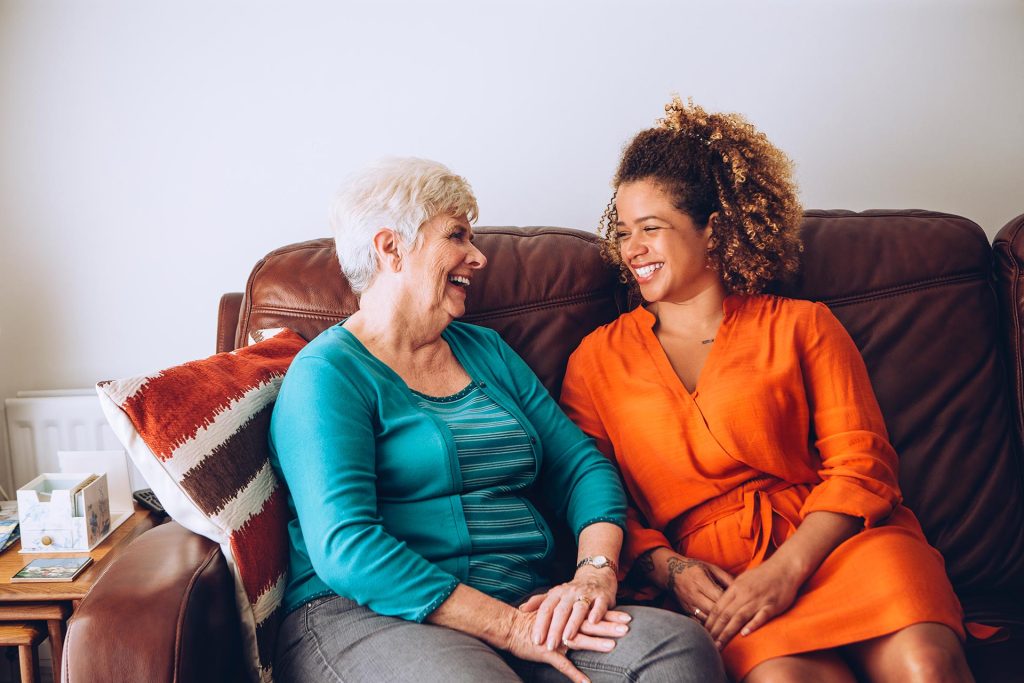
Personal and Pressure Care, young woman hugging mother on sofa.

Personal Pressure Care

A 3 hour course that teaches delegates about the role and responsibility of personal care, and the recognition, management and prevention of pressure sores.
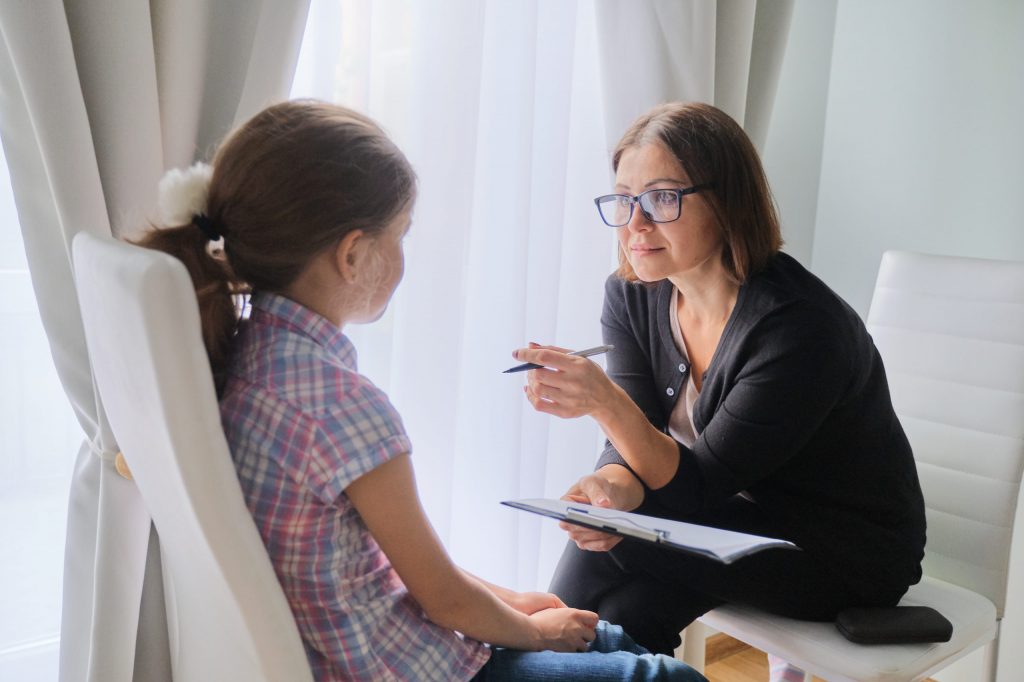
Woman social worker talking to girl child psychology mental health.

Managing Safeguarding Children

A practical, in-depth course on child safeguarding aimed at learners who have prior safeguarding knowledge or experience.
Health Nutrition, person eating bowlful of fruit and berries.

Health and Nutrition Course

A 3 hour Health and Nutrition Course focused on the understanding of diet, nutrition and fluids, and exploring methods of promoting health and good practice within the health and social care setting.
Designated Safe Guarding Lead, DSL Training. Male speaking to student or staff member.

Designated Safeguarding Lead (DSL) Training

Our DSL course enables attendees to understand the processes and challenges of liaising with relevant agencies including making referrals and consider wider duties including an overview of staff training.
Nutrition Fluids, person filling glass of water from tap.

Nutrition and Fluids

Our Nutrition and Fluids course enables attendees to gain knowledge regarding nutrition and fluids including signs of malnutrition as well as how to support someone with eating and drinking in a person-centred approach.
effective communication skills

Effective Communication Skills

Our Effective Communication Skills course enables attendees to understand and explore different methods of communication, what benefits specific types of communication has and demonstrate how empathic skills could also contribute.

Social Care Training: Improving Care Quality and Promoting Well-being for Caregivers and Vulnerable People.

Social care training covers a wide range of topics, from fundamental caregiving skills such as communication and basic first aid, to specialised training for dementia care, mental health, and end-of-life care. The training is offered to various types of caregivers, including professional caregivers, family caregivers, and volunteers.

One of the primary objectives of care training is to improve the quality of care provided to vulnerable people, including the elderly, people with disabilities, and those with mental health conditions. By providing caregivers with the necessary knowledge and skills, training ensures that vulnerable people receive the best possible care, leading to better outcomes for both the caregivers and care recipients.

Quality training helps to reduce the risk of abuse and neglect by caregivers. By providing training on ethical and legal considerations, caregivers are better equipped to identify and respond appropriately to situations that may arise in the course of their work.

Training also plays a crucial role in promoting the well-being of caregivers. Caring for vulnerable people can be a physically and emotionally demanding job, and without the proper support and training, caregivers may suffer from burnout, stress, and other health issues. The training provides caregivers with tools to manage stress and maintain their own well-being, which in turn enhances the quality of care they provide.

Furthermore, training is essential for meeting regulatory requirements and ensuring compliance with healthcare standards. Caregivers who receive social care training are better prepared to provide safe and effective care, which can lead to better regulatory compliance and accreditation.

Training is a vital component of the social care sector, providing caregivers with the necessary knowledge and skills to deliver high-quality care services to vulnerable people. By promoting the well-being of caregivers, improving the quality of care, and ensuring regulatory compliance, training is critical for the success of the healthcare industry. Whether you’re a professional caregiver, family caregiver, or volunteer, social care training is an investment in your future and the future of those you care for.

Talk to the team

Get instant answers to all your questions

Drop us an email [email protected]

8:30am–4:30pm — Monday to Friday

(except bank holidays)
Contact Us, man using phone and laptop sat on sofa