


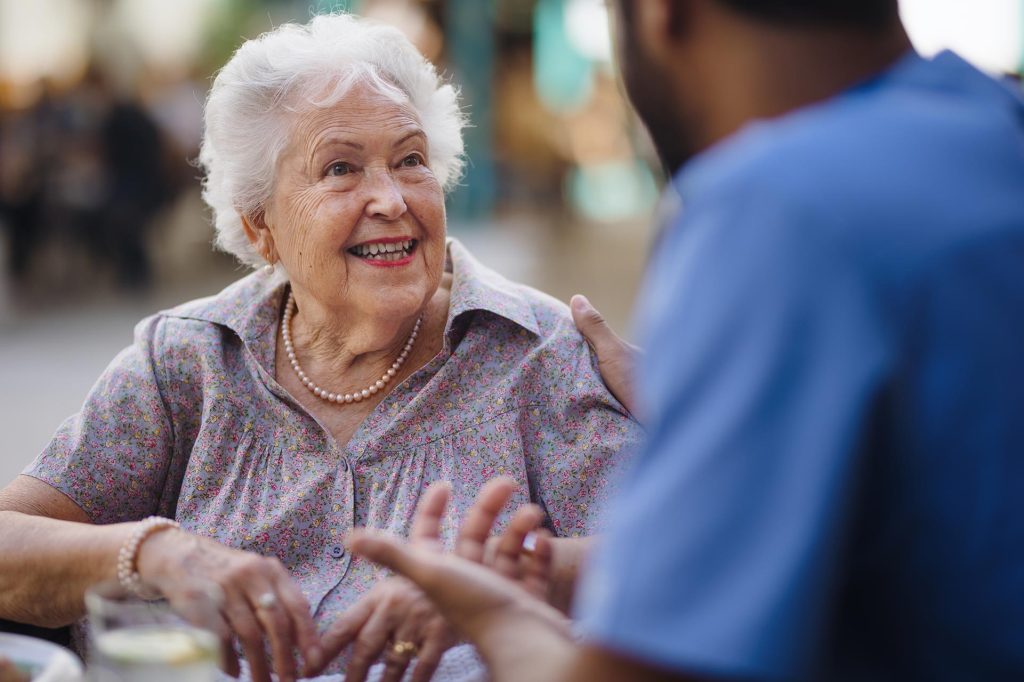







Social Care Training

Social care training is an essential part of the social care sector, aimed at enhancing the skills and knowledge of professionals involved in the care and support of vulnerable people. It encompasses a range of courses and training programs designed to equip caregivers with the necessary tools to deliver high-quality care services.

Course Child Category Radio
patient receiving bad news, she is desperate and crying, doctor support and comforting her patient with sympathy. don't worry, this medical test is not so bad

Safeguarding Adults

This course covers the physical and emotional aspects of safeguarding adults.
Child Sexual Exploration, Portrait of sad mixed race teenager girl standing indoors in abandoned building.

Child Sexual Exploitation (CSE) Awareness

Our Child Sexual Exploitation course enables attendees to identify the signs and indicators of CSE, identify different grooming models and the process of grooming, provide appropriate support, understanding and protection for those experiencing CSE.
privacy & dignity in care

Dignity in Care Training

Our Dignity in Care course enables attendees to understand what the difference is between dignified care and undignified care and understand how to use empathy in the correct situations.
Substance Misuse, middle aged man biting knuckle.

Substance Misuse

Our Substance Misuse enables attendees to gain knowledge regarding the different categories and classes of drugs and to recognise the signs of drug use.
gejala diabetes

Diabetes Awareness Training

Our Diabetes Training enables attendees to understand what diabetes, recognise different types and to understand treatment options.
end of life care

End of Life Care Course

Our End-of-Life Care course enables attendees to understand the principles of End-of-Life Care and the importance of providing person centred care.
coshh

COSHH Training

Our COSHH course enables attendees to identify hazardous substances, understand associated risks and implement appropriate control measures to protect self and others.
Managing Allegations, young woman sat alone looking distressed.

Managing Allegations

Our Managing Allegations course enables attendees to explore the challenges associated with managing allegations and complaints and outlines the procedures that should be followed if an allegation has been made.
equality diversity

Equality, Diversity & Inclusion EDI Training

Our Equality, Diversity & Inclusion EDI Training enables attendees to recognise the danger of assumptions in the workplace as well as the different types of discrimination.
infection control 1

Infection Control Training

Our Infection Control course enables attendees to understand the causes and spread of infection as well as what the chain of infection is and how to break it.

Social Care Training: Improving Care Quality and Promoting Well-being for Caregivers and Vulnerable People.

Social care training covers a wide range of topics, from fundamental caregiving skills such as communication and basic first aid, to specialised training for dementia care, mental health, and end-of-life care. The training is offered to various types of caregivers, including professional caregivers, family caregivers, and volunteers.

One of the primary objectives of care training is to improve the quality of care provided to vulnerable people, including the elderly, people with disabilities, and those with mental health conditions. By providing caregivers with the necessary knowledge and skills, training ensures that vulnerable people receive the best possible care, leading to better outcomes for both the caregivers and care recipients.

Quality training helps to reduce the risk of abuse and neglect by caregivers. By providing training on ethical and legal considerations, caregivers are better equipped to identify and respond appropriately to situations that may arise in the course of their work.

Training also plays a crucial role in promoting the well-being of caregivers. Caring for vulnerable people can be a physically and emotionally demanding job, and without the proper support and training, caregivers may suffer from burnout, stress, and other health issues. The training provides caregivers with tools to manage stress and maintain their own well-being, which in turn enhances the quality of care they provide.

Furthermore, training is essential for meeting regulatory requirements and ensuring compliance with healthcare standards. Caregivers who receive social care training are better prepared to provide safe and effective care, which can lead to better regulatory compliance and accreditation.

Training is a vital component of the social care sector, providing caregivers with the necessary knowledge and skills to deliver high-quality care services to vulnerable people. By promoting the well-being of caregivers, improving the quality of care, and ensuring regulatory compliance, training is critical for the success of the healthcare industry. Whether you’re a professional caregiver, family caregiver, or volunteer, social care training is an investment in your future and the future of those you care for.

Talk to the team

Get instant answers to all your questions

Drop us an email [email protected]

8:30am–4:30pm — Monday to Friday

(except bank holidays)
Contact Us, man using phone and laptop sat on sofa