




Social Care Training

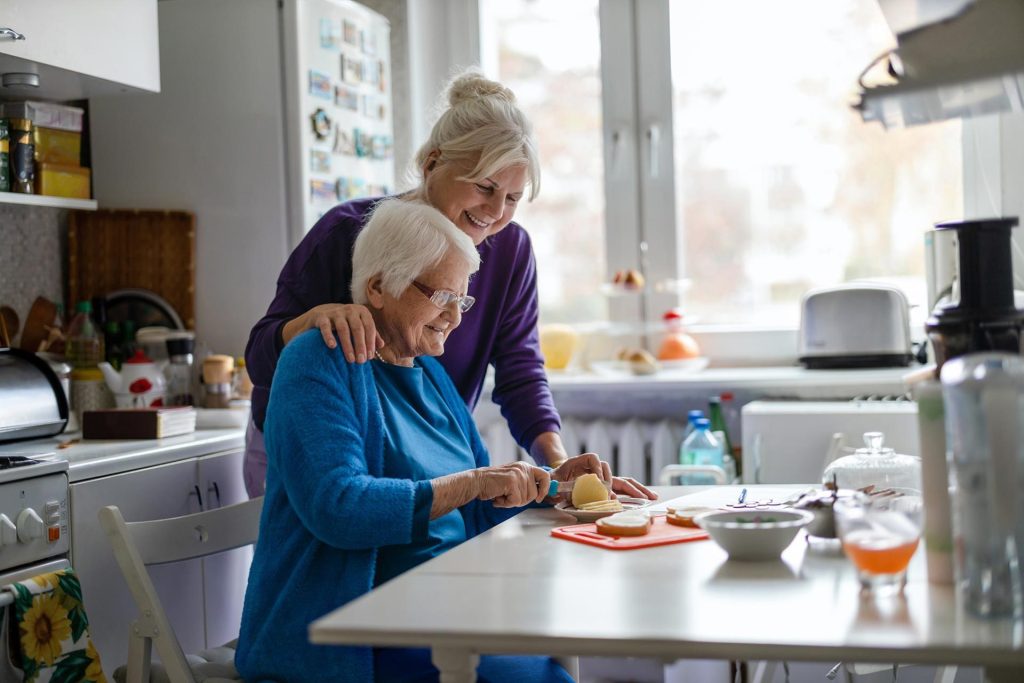
Social care training is an essential part of the social care sector, aimed at enhancing the skills and knowledge of professionals involved in the care and support of vulnerable people. It encompasses a range of courses and training programs designed to equip caregivers with the necessary tools to deliver high-quality care services.

Course Child Category Radio
Infection Control Awareness. Male washing hands for Infection Control.

Infection Control Awareness Online

Our Infection Control Awareness Online Course enables attendees to identify the different types of pathogens and examples of each and how to prevent infection.
gdpr 1

GDPR Training Online

Our GDPR Training Online enables attendees to understand the data protections terms that are in place and how to report a breach to the Information Commissioner’s Office (ICO).
Food Safety Retail Catering Manufacturing, person making food in restaurant, wearing gloves.

Online Food Safety Course

Our Online Food Safety Course enables attendees to understand the different types of contamination that may occur and to prevent any illnesses caused by pathogens.
Equality Diversity Inclusion Training

Equality, Diversity & Inclusion (EDI) Training Online

Our Online Equality, Diversity & Inclusion (EDI) enables attendees to understand what The Equality Act 2010 covers, recognise what protected characteristics there are, and what the different types of discrimination there is about inclusive workplaces.
Mental Health Awareness Online

Mental Health Awareness Online

Our Mental Health Awareness course enables attendees to gain knowledge regarding different types of mental illnesses, the support you can offer, psychological problem that can occur as well as generic health and wellbeing.
online & internet safety

Online Safety Online

Our Online Safety course enables attendees to identify signs of cyber-crime in the workplace and to gain confidence in how to react to a situation.
Advanced Dementia Care Training. An elderly gentleman with advanced dementia holding a hand on his shoulder reaching.

Supporting People in the Advanced Stages of Dementia

Our Supporting People in the Advanced Stages of Dementia course looks at what is happening to a person in the later stages of dementia, how we can continue to support someone in the advanced stages of their illness, the importance of continuing effective communication and what to expect later.
dementia nutrition

Nutrition in Dementia Training

Our Nutrition in dementia course enables attendees to better understand the impact dementia has on a persons nutritional intake, and offers tips and guidance for those supporting people with dementia.
Able Training Autism Awareness Week

Ligature Awareness & Protocol Train The Trainer

Our Ligature Awareness training course designed to give staff the skills and confidence to reduce, assess, manage and treat incidents of ligature.
professional boundaries

Professional Boundaries Training

Our Professional Boundaries course enables attendees to determine professional boundaries and identify responsibilities in practice as well as understanding the importance of professional boundaries within health and social care.

Social Care Training: Improving Care Quality and Promoting Well-being for Caregivers and Vulnerable People.

Social care training covers a wide range of topics, from fundamental caregiving skills such as communication and basic first aid, to specialised training for dementia care, mental health, and end-of-life care. The training is offered to various types of caregivers, including professional caregivers, family caregivers, and volunteers.

One of the primary objectives of care training is to improve the quality of care provided to vulnerable people, including the elderly, people with disabilities, and those with mental health conditions. By providing caregivers with the necessary knowledge and skills, training ensures that vulnerable people receive the best possible care, leading to better outcomes for both the caregivers and care recipients.

Quality training helps to reduce the risk of abuse and neglect by caregivers. By providing training on ethical and legal considerations, caregivers are better equipped to identify and respond appropriately to situations that may arise in the course of their work.

Training also plays a crucial role in promoting the well-being of caregivers. Caring for vulnerable people can be a physically and emotionally demanding job, and without the proper support and training, caregivers may suffer from burnout, stress, and other health issues. The training provides caregivers with tools to manage stress and maintain their own well-being, which in turn enhances the quality of care they provide.

Furthermore, training is essential for meeting regulatory requirements and ensuring compliance with healthcare standards. Caregivers who receive social care training are better prepared to provide safe and effective care, which can lead to better regulatory compliance and accreditation.

Training is a vital component of the social care sector, providing caregivers with the necessary knowledge and skills to deliver high-quality care services to vulnerable people. By promoting the well-being of caregivers, improving the quality of care, and ensuring regulatory compliance, training is critical for the success of the healthcare industry. Whether you’re a professional caregiver, family caregiver, or volunteer, social care training is an investment in your future and the future of those you care for.

Talk to the team

Get instant answers to all your questions

Drop us an email [email protected]

8:30am–4:30pm — Monday to Friday

(except bank holidays)
Contact Us, man using phone and laptop sat on sofa