
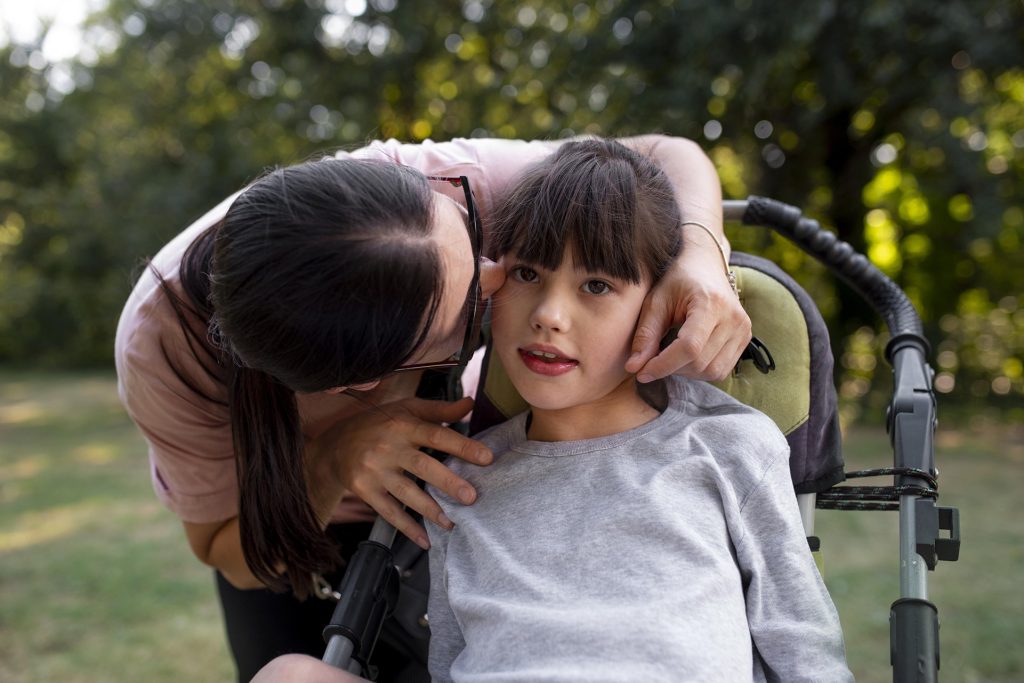

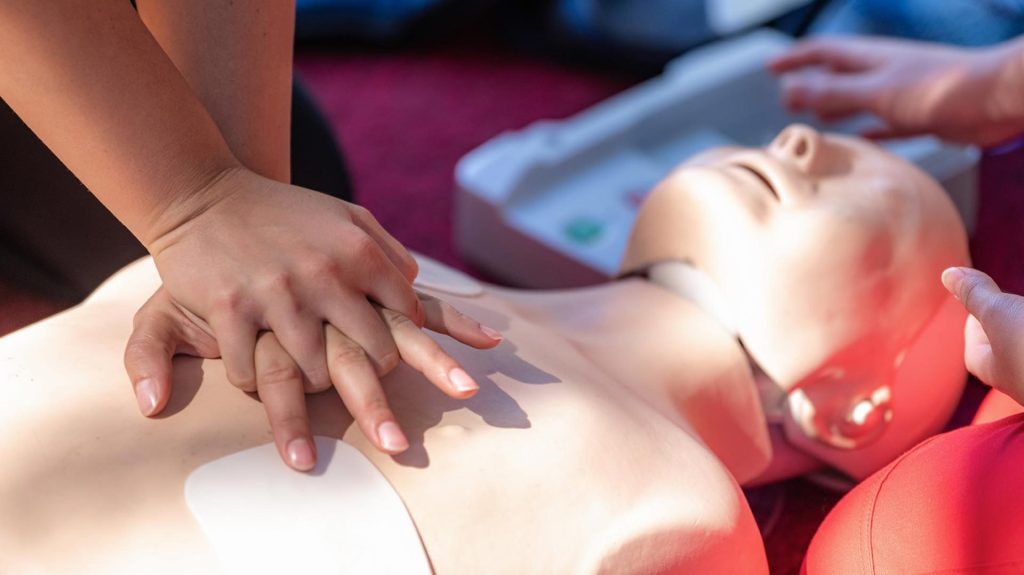
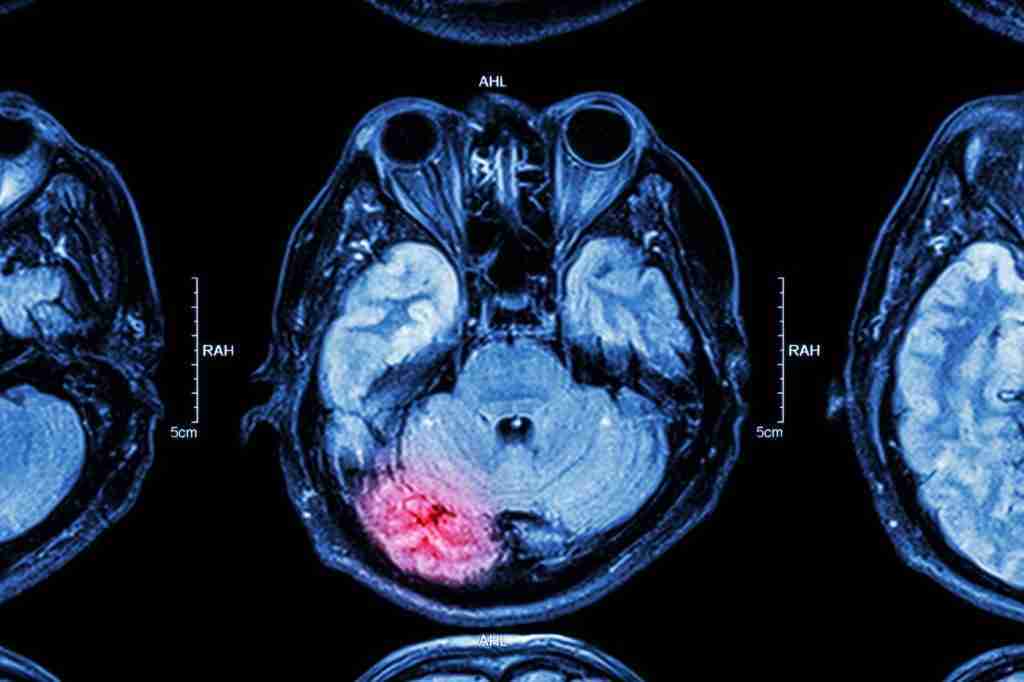




Comprehensive Elderly and Dementia Training: Equipping Caregivers for Quality Care
Elderly and Dementia Training is an essential service that provides caregivers and healthcare professionals with the knowledge and skills necessary to care for elderly patients with dementia. Dementia is a condition that affects the brain and impairs cognitive functions such as memory, language, and thinking abilities. It is a common problem among the elderly population, and its prevalence is increasing as the population ages.
Elderly and Dementia Training provides comprehensive training to caregivers and healthcare professionals on how to manage dementia patients. The training includes modules on communication, understanding dementia, recognising the early signs of dementia, and managing challenging behaviours. The goal of the training is to equip caregivers with the necessary skills to provide quality care to elderly patients with dementia.
The training covers a wide range of topics that are relevant to the care of elderly patients with dementia. These topics include understanding the causes of dementia, the different types of dementia, and how to identify the early signs of dementia. The training also covers how to communicate effectively with dementia patients, how to manage challenging behaviours, and how to create a safe and comfortable environment for dementia patients.
Effective communication is a crucial part of caring for elderly patients with dementia. The training covers communication strategies that are effective in communicating with dementia patients. This includes the use of non-verbal cues, active listening, and clear and concise communication. The training also covers how to manage communication breakdowns and how to avoid misunderstandings.
Challenging behaviours are common among dementia patients, and caregivers must be equipped with the necessary skills to manage these behaviours. The training covers strategies for managing challenging behaviours, including redirection, validation therapy, and other behavioural interventions. The goal of these interventions is to minimise the impact of challenging behaviours on the patient’s quality of life and to ensure their safety.
Creating a safe and comfortable environment for dementia patients is also a critical part of care. The training covers how to create a safe and comfortable environment by minimizing distractions, providing appropriate lighting, and creating a routine. Caregivers are also trained on how to modify the environment to accommodate the patient’s needs as the disease progresses.
Elderly and Dementia Training is an essential service that provides caregivers and healthcare professionals with the necessary skills and knowledge to provide quality care to elderly patients with dementia. The training covers a wide range of topics, including communication strategies, managing challenging behaviours, and creating a safe and comfortable environment. The goal of the training is to ensure that caregivers can provide the best possible care to their patients and improve their quality of life.
In conclusion, Elderly and Dementia Training is a crucial service that provides caregivers and healthcare professionals with the necessary skills and knowledge to care for elderly patients with dementia. The training covers a wide range of topics, including effective communication strategies, managing challenging behaviours, and creating a safe and comfortable environment. By completing this training, caregivers can provide quality care to dementia patients and improve their quality of life.